
Review · BARCELONA
Barcelona: Phone Photography Tips & Tricks – Park & Old Town
Barcelona becomes your classroom in this hands-on phone photography walk. You meet Onno beneath the Arc de Triomf, then practice framing, angles, posing, lens choices, and editing as you move through Ciutadella Park and the old El Born neighborhood. The useful trick here is that you learn by taking pictures, not by sitting through a technical lecture.
I like the focus on composition instead of camera jargon. You do not need to wrestle with aperture, ISO, or shutter speed. I also like the mix of settings: the Arc de Triomf and park give you open views and dramatic subjects, while El Born brings tight streets, courtyards, buildings, and people into the lesson.
The main consideration is your phone. The class suits any smartphone, but iPhones and higher-end Androids will get the most from the lens and editing demonstrations. At 2.5 hours, it is also a focused class rather than a full Barcelona sightseeing tour.
Key points at a glance
- Start beneath the Arc de Triomf: Find Onno and the white umbrella under the arch for an easy meeting point.
- Learn with real Barcelona subjects: Practice on Ciutadella Park’s fountain, mammoth sculpture, palms, trees, and plants.
- Use the phone’s lenses with purpose: Explore zoom and positioning tricks that can change the look of the same scene.
- Work through several photography styles: The class covers portraits, posing, street photography, building photography, framing, and composition.
- Finish with phone editing: End the session with a drink and simple adjustments to give your best images a final polish.
- Pay $28 for a practical 2.5-hour class: That is good value if you want skills you can use for the rest of your trip.
Why this class works better than a basic photo walk
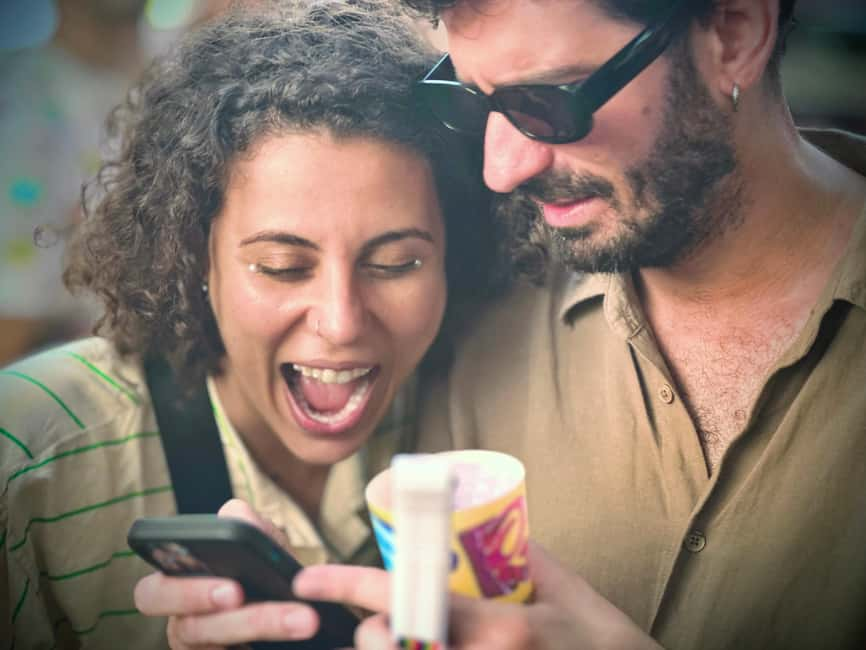
Many photo tours take you to attractive places and take pictures for you. This one puts your own phone in your hands and asks you to make the decisions. That difference matters. You leave with more than a folder of nice Barcelona images. You leave knowing how to look at a scene before pressing the shutter.
Onno teaches the parts of photography that matter most on a phone: where you stand, what you include, what you leave out, and how you use lines, shapes, and people in the frame. A phone handles much of the technical work automatically, so the class spends its time on the choices that shape the final picture.
The teaching is active. You try a technique, look at the result, and adjust. Some exercises involve posing, while others challenge you to photograph people in the street or shoot through holes and openings. That hands-on approach makes the class useful for beginners who normally point, tap, and hope.
You also get a lesson in selecting images. Taking 50 pictures is easy. Choosing the one that actually works is harder. The class includes tips for looking critically at your own photos and spotting the frame with the strongest subject, clearest composition, or best moment.
More photo tours and photoshoots around Barcelona:
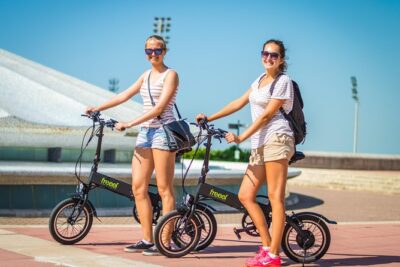
- Barcelona E-Bike Photography Tour
★ 5.0 · 843 reviews - Barcelona: Paddleboarding at Sunrise. Includes: instructor, photos, equipment
★ 4.7 · 570 reviews - Costa Brava: Kayak, Snorkel, Photos, Lunch, Beach & Cliff Jump!
★ 5.0 · 508 reviews
Meeting Onno at the Arc de Triomf
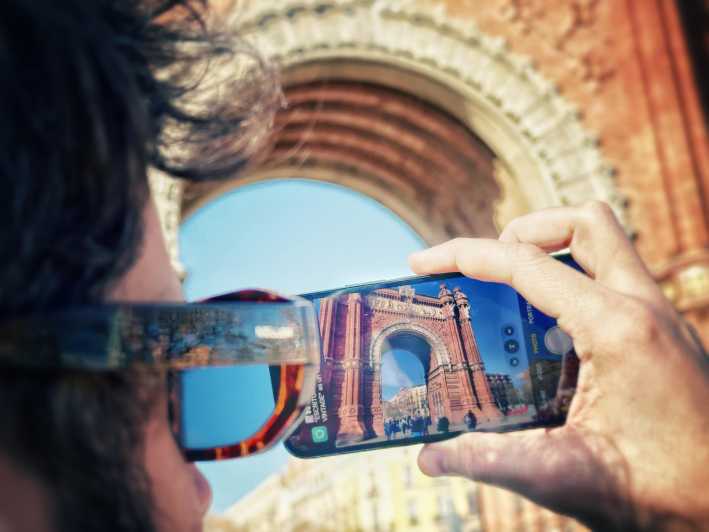
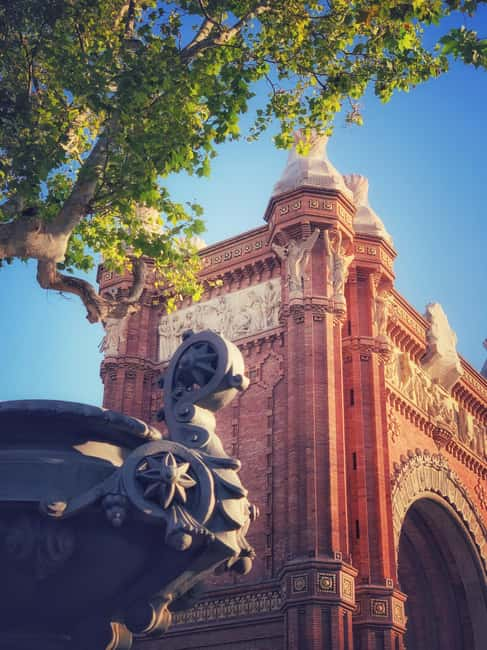
Your starting point is the Arc de Triomf, one of Barcelona’s most recognizable landmarks. Onno waits beneath the arch with a white umbrella, which makes the meeting point simple to locate even in a busy city setting.
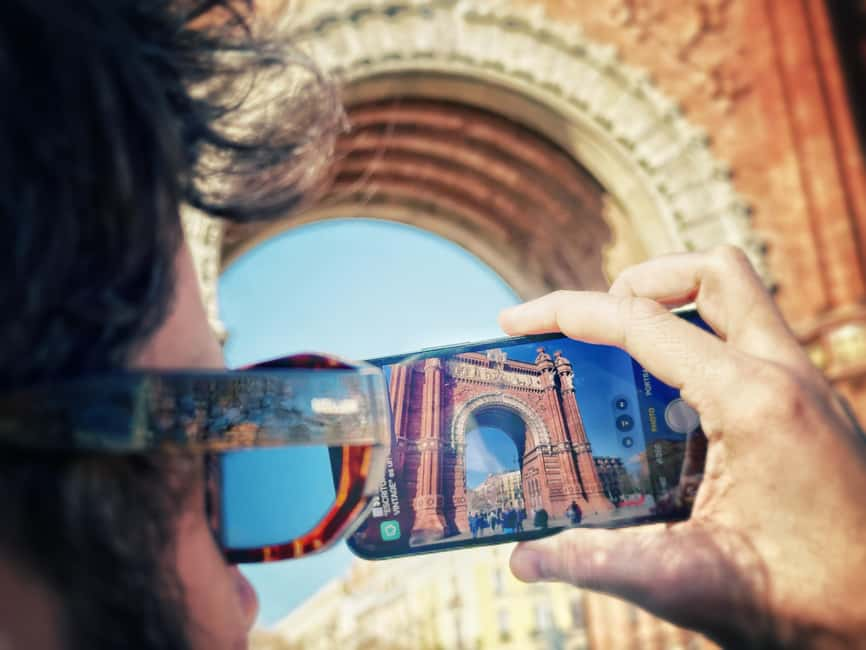
The arch gives you an immediate photography subject. Its repeated lines, scale, and open space are useful for learning about framing and positioning. Rather than simply photographing the monument straight on, you work out how your location changes the picture.
This opening lesson is important because framing is the foundation of everything that follows. You learn to notice how much sky, pavement, architecture, and empty space belong in the image. Small changes in your position can make the subject feel grand, balanced, crowded, or isolated.
That is also where the class begins to move beyond phone snapshots. You do not need special equipment to make a stronger image. You need to decide what the picture is about and arrange the frame around that idea.
Practicing at Ciutadella Park
From the Arc de Triomf, the class continues into Ciutadella Park. The park supplies a different set of subjects from the formal arch: a large fountain, a mammoth sculpture, palms, trees, plants, and open spaces.
The fountain is particularly useful for testing angles and scale. You can work out how to frame a large structure, where to place people, and how much surrounding detail supports the main subject. The mammoth sculpture adds a playful element and gives you a clear object for experimenting with perspective.
The park is also where the phone’s different lenses become central. Onno demonstrates how the same subject changes when you move closer, step back, or use the phone’s available lenses. The lesson is not simply press the zoom button and hope. It is about understanding how distance and lens choice affect the shape and feel of the picture.
This is one of the more valuable parts of the class for iPhone owners. Modern phones often have several cameras, yet many people use only the standard view. You learn how to treat those lenses as creative tools rather than as technical features buried in the camera app.
The open park setting gives you room to repeat the exercise. You can try a wide view, a tighter composition, and a different angle without feeling rushed from one landmark to the next. If you are new to photography, that breathing room helps the ideas make sense.
Learning people photography without a studio
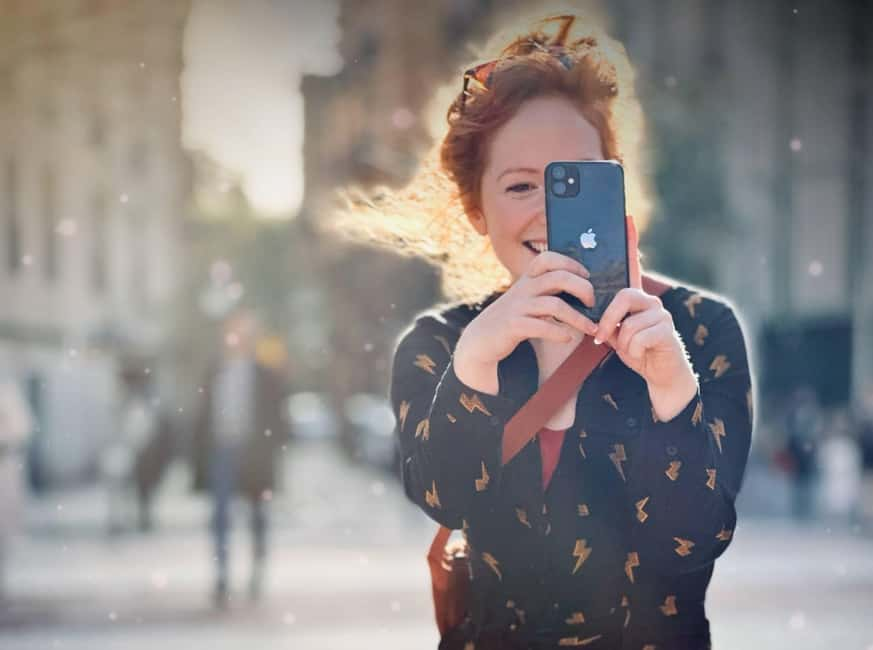
People photography is part of the class, including posing and street photography. That makes the session more useful for vacation photos, since many of your best travel pictures will include friends, family, or people you meet along the way.
The posing exercises keep the subject from looking stiff. You learn to think about body position, placement in the frame, and the setting around the person. The goal is not a formal studio portrait. It is a more natural image with a clear subject and a better connection to the place.
Street photography brings a different challenge. You need to notice a possible scene, choose a position, and respond at the right moment. The class includes small photography challenges, such as taking pictures of people in the street, which gives you a reason to practice instead of waiting for perfect conditions.
This part may feel less comfortable for shy photographers. You are not simply photographing buildings where nothing changes. Still, the class is designed to be interactive, and the exercises give you a simple task to follow. That makes it easier to start.
If you are bringing a baby, the experience can still work. One parent attended with a baby and found the guide accommodating. The activity is wheelchair accessible, though the supplied details do not describe the exact route or surface conditions, so you may want to confirm those points before booking if they are important to you.
Same backdrop, another way to frame it:
- Barcelona: Instagram Tour of the Most Scenic Spots
★ 4.9 · 332 reviews - Barcelona: Photo Shoot + Exclusive Video of the Best Moments
★ 4.9 · 256 reviews - Photoshoot tour in Barcelona Secret Corners
★ 5.0 · 223 reviews - ✅ Barcelona: Photoshoot Tour Old Town
★ 4.9 · 213 reviews
El Born and the old city’s tighter frames
The route then enters El Born, a historic neighborhood in Barcelona’s old city. Here the visual lessons shift from open park scenes to medieval streets, courtyards, building fronts, and narrow views.
This setting is ideal for architectural photography. You can look for repeated balconies, doorways, walls, arches, and lines that lead the eye through the frame. The tighter streets also force you to think carefully about what to exclude. A good building photo is not always the one that includes the whole building.
El Born also gives you chances to work on street photography in a more enclosed setting. People become part of the composition, but so do shadows, walls, entrances, and glimpses through openings. The class encourages you to look for pictures rather than simply record the route.
One especially useful exercise involves photographing through holes and openings. That technique creates a frame inside the frame, drawing attention to a person, building, or detail beyond it. It is an easy idea to remember and apply later when exploring Barcelona on your own.
The old city section adds a welcome sense of discovery, but you should not expect a full historical walking tour. Onno also works as a Barcelona guide, so you get local context along the way, but the main purpose remains photography. If your priority is detailed history, choose a dedicated old-city tour instead.
The phone photography skills you actually use
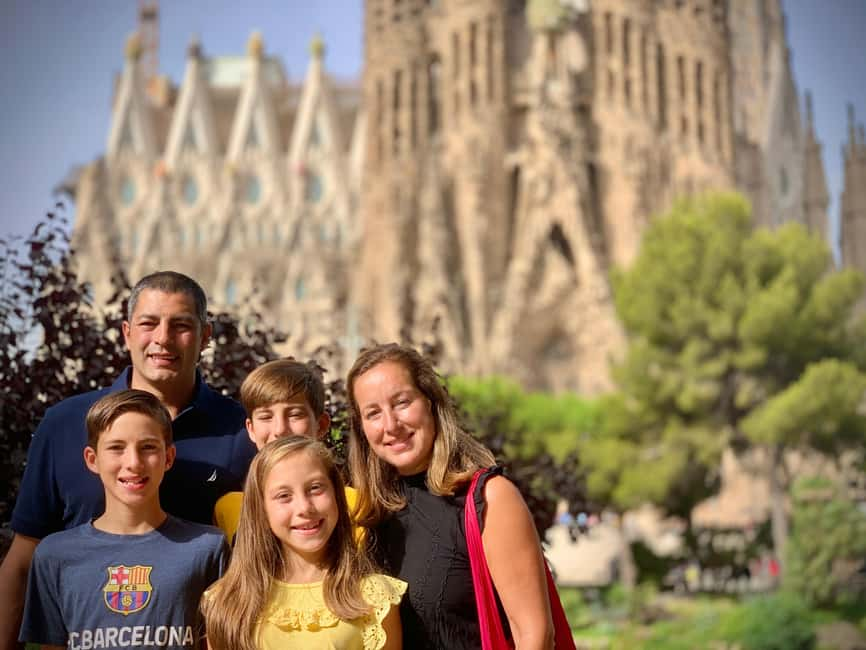
The class covers camera modes, framing, composition, posing, street photography, building photography, and editing. These subjects are practical because they apply to almost every photo you take on a trip.
Framing asks what belongs inside the picture. Composition asks how those elements relate to each other. The difference can seem subtle at first, but it is often what separates a dull travel photo from one with a clear point of view.
The class also helps you understand angles. Photographing from above, below, close up, or farther away can change the feeling of a subject. A sculpture may look ordinary from eye level and much more striking when you alter your position.
You do not need to understand professional camera settings. That is a real advantage for casual photographers. Instead of spending the session on aperture, ISO, and shutter speed, you concentrate on choices you can make quickly with the phone already in your pocket.
Editing comes at the end. On-phone adjustments can correct a flat image, improve the balance of light, or draw attention to the subject. The advice is described as quick and simple, so you should not expect a full software course. You will, however, learn how a few thoughtful changes can give an image a cleaner final look.
Finishing with a drink and a final edit
The class ends with a drink while you go over editing techniques. This gives you a calmer finish after the walking and practice exercises.
It is also a useful point to review what you have taken. You can compare images made with different lenses, angles, or compositions and see which decisions worked best. That review process helps turn a one-time lesson into a habit.
The drink is not presented as a large food or beverage experience, so keep your expectations modest. Its value is the chance to pause, ask questions, and make sense of the images while the techniques are still fresh.
Is $28 a fair price?
At $28 per person, this is a strong value if you want a practical skill rather than another sightseeing stop. You get 2.5 hours with an English-speaking photographer and Barcelona guide, along with instruction in several types of phone photography.
The price is especially reasonable for anyone planning to take many more photos during a Barcelona trip. A lesson early in your visit could improve pictures at later sights, meals, parks, and neighborhood walks. One participant specifically recommended taking it near the start of a trip for that reason.
The value is lower if you already understand composition, lens choices, posing, and basic phone editing. In that case, the class may repeat ideas you know. It also does not include a camera, so you must bring your own charged smartphone.
You can reserve now and pay later, and free cancellation is available up to 24 hours before the activity for a full refund. Starting times vary, so check availability when you book.
Who should book this Barcelona class?
This experience is best for beginners, families, couples, and anyone who owns an expensive phone but uses only its basic camera mode. It also suits people who want a small-group activity with a creative purpose rather than a standard landmark tour.
You will get the most from it if you are willing to take part. This is not a sit-back lesson. You may be asked to pose, photograph people, test different angles, or complete a small challenge. That active format is part of its appeal, but it may not suit someone looking for a quiet walk.
The class is also a good choice for people who have taken traditional photography courses and found them too focused on technical settings. Its attention to composition, scene selection, image choice, and editing gives you tools that transfer well to phone photography.
Should you book it?
Book this class if you want to take better pictures for the rest of your Barcelona visit and beyond. The combination of Arc de Triomf, Ciutadella Park, and El Born gives you varied subjects, while Onno’s practical exercises keep the lesson tied to real situations.
Skip it if your main goal is a history tour, a professional photo session, or advanced camera instruction. For $28, though, it offers a lot: a memorable walk, useful personal instruction, and skills you can keep using long after you leave Barcelona.
FAQ
Where does the phone photography class start?
It starts beneath the Arc de Triomf. The instructor-guide waits with a white umbrella under the arch.
Where does the activity end?
The activity ends back at the Arc de Triomf meeting point.
How long does the class last?
The class lasts 2.5 hours. Starting times vary, so check availability when booking.
What does the class cost?
The listed price is $28 per person.
Who teaches the activity?
The instructor is Onno, a photographer who also works as a Barcelona tour guide.
What kind of phone should I bring?
Any smartphone is suitable, but the class is better suited to iPhones and higher-end Android phones.
Do I need to bring a camera?
No separate camera is provided or required. You should bring your own charged smartphone.
Is the class taught in English?
Yes. The listed language is English.
Can I cancel for a full refund?
Yes. You can cancel up to 24 hours in advance for a full refund.
Fresh shoots around Barcelona
- Guided tour of Barcelona in French (Old Town & Instagram spots)★ 5.0 · 18 reviews
- Barcelona: Gothic Quarter Cinematic Photoshoot and Guide★ 3.8 · 7 reviews
- Barcelona Tourist Photographer – Exclusive Photoshoots★ 5.0 · 2 reviews
- Barcelona: Private Sagrada Familia Photoshoot★ 4.8 · 47 reviews
- Barcelona: Private Photoshoot in Ciutadella Park with Ami★ 5.0 · 2 reviews
- Barcelona: Private Photoshoot with a Professional★ 5.0 · 2 reviews
- Barcelona: Professional Private Photoshoot★ 4.9 · 28 reviews
- Sagrada Familia cinematic photoshoot★ 5.0 · 2 reviews
Barcelona Photo Tours & Photoshoots, frame by frame.
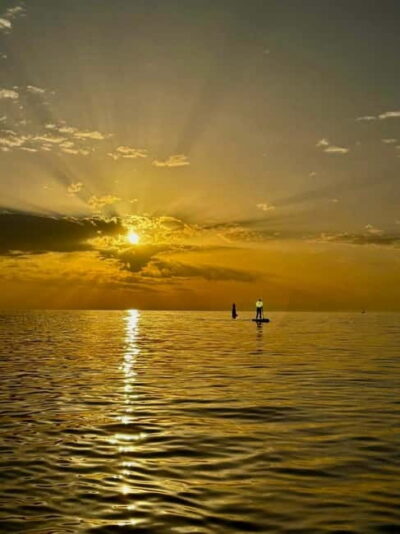
Paddleboarding at Sunrise. Includes: instructor, photos, equipment
Read our review →
Costa Brava: Kayak, Snorkel, Photos, Lunch, Beach & Cliff Jump!
Read our review →
✅ Barcelona: Sightseeing Professional Photoshoot Session
Read our review →This shoot also appears in