
Review · THE USA
Everglades: Birding, Wildlife, and Photography Expedition
The best part of this Everglades trip is its small, steady boat. You travel through the 10,000 islands with room to watch birds, set up a tripod, and use a large telephoto lens without balancing on a cramped skiff. The guide points out roseate spoonbills, ospreys, herons, ibis, dolphins, and other wildlife as you move through the shallow coastal waters.
I like the two-part plan: a slow boat ride followed by a walk on an uninhabited barrier island. I also like the small group of six, which makes it easier to ask questions and request a slower approach for photography. The main consideration is weather. Wind can limit what you see, and from June through October, morning departures are the smarter choice.
Key points at a glance
- A six-person boat built for photographers: There is comfortable seating and room for a tripod and large telephoto lenses.
- Two distinct Everglades settings: You explore the waterways by boat, then walk an uninhabited barrier island.
- Wildlife depends on the day: Possible sightings include spoonbills, ospreys, bald eagles, dolphins, manatees, sea turtles, pelicans, and many shorebirds.
- A guide with local depth: Florida Master Naturalist guides such as Don, Dan, Seth, and Eddie have led this experience, with Coast Guard licensing for the captain.
- A useful three-and-a-half-hour length: The 210-minute schedule gives you time for both wildlife watching and the island stop without turning the trip into a full-day outing.
- Arrive early in Chokoloskee: Parkway Marina is at the end of Chokoloskee Drive. Plan to arrive 10 to 15 minutes early and board five minutes before departure.
The 10,000 islands from a steady boat
This is not the classic Everglades ride through sawgrass marshes. You meet the park from its Gulf Coast side, where shallow water threads between mangrove islands and uninhabited beaches. The scenery is open, quiet, and shaped by tides rather than roads or walking trails.
The boat is the practical advantage. A small six-passenger group gives you more space than a large sightseeing vessel, while the wide, stable platform helps when you are trying to frame a bird or keep a long lens steady. If you carry serious camera equipment, that matters. A cramped boat can turn a promising sighting into a missed shot, but this setup is designed with photographers in mind.
Your captain guides the boat through the island channels at a leisurely pace. The guide is not simply driving from one stop to another. The goal is to watch the water and shoreline for signs of life, then explain what you are seeing. Guides have included Don, Dan, Seth, and Eddie, so the exact person leading your trip can vary.
The naturalist role adds useful context. You learn about mangroves, local flora and fauna, the area’s history, and the culture connected to this remote corner of Florida. The information is especially helpful here because the islands can look simple at first glance. A low beach, a line of mangroves, and shallow water may not reveal much until someone shows you where to look.
More wildlife to photograph around the USA:
- Rovaniemi: Ranua Wildlife Park guided tour with Pro Photos
★ 5.0 · 2 reviews
Birds worth bringing a long lens for
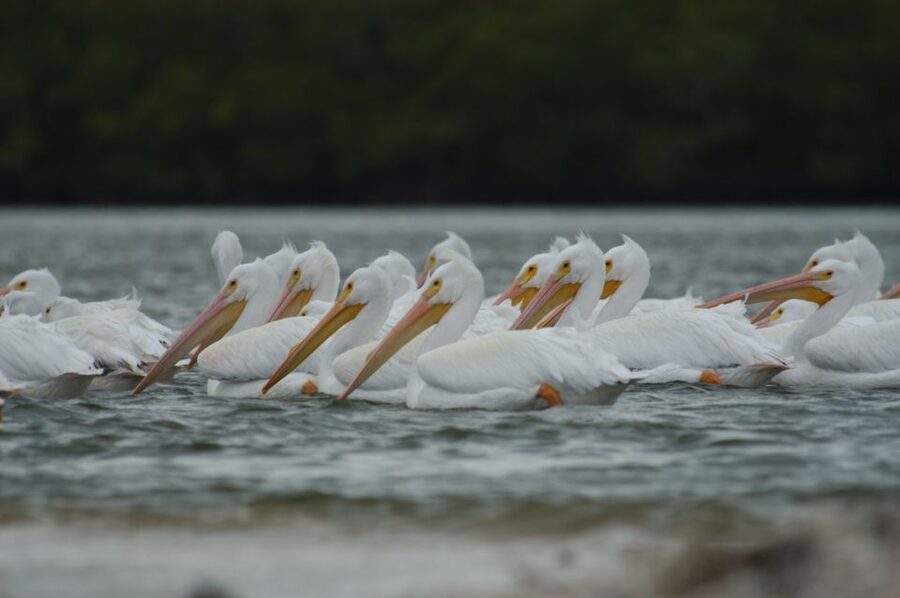
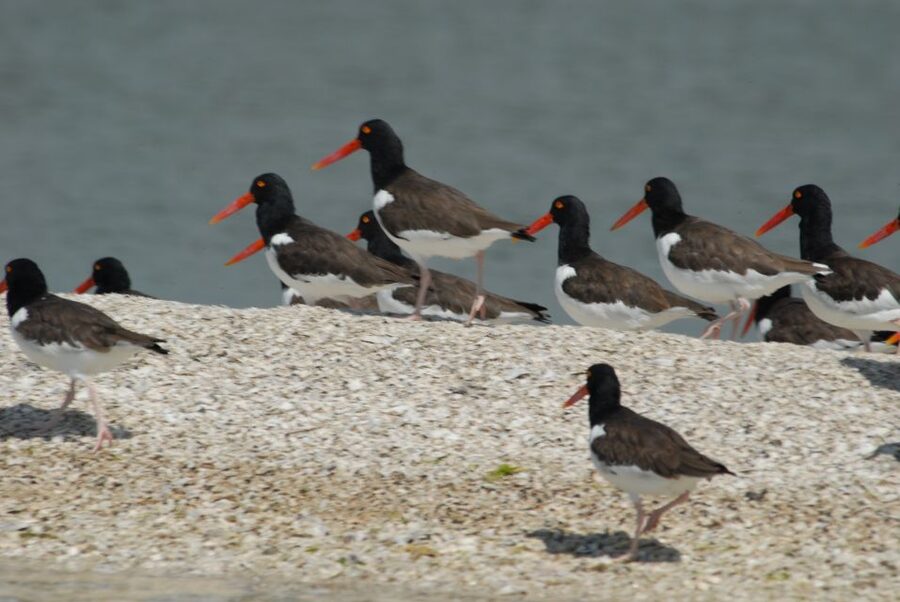
Birding is the main reason to bring a camera, and the possible list is impressive. You might see roseate spoonbills, ospreys, ibises, great blue herons, tricolored herons, snowy egrets, shorebirds, bald eagles, white pelicans, cormorants, royal terns, plovers, and American oystercatchers.
The boat gives you a useful viewing angle. You are close to the water, and the guide can slow down when birds are nesting, feeding, or resting along the islands. One outing included nesting cormorants, a great egret, royal terns, spoonbills, an American oystercatcher, nesting ospreys, and a little blue heron. That is a good example of why a slow pace helps. You are not just collecting quick sightings. You have a chance to watch behavior and work on a photograph.
Wildlife is never guaranteed, so you should come with the right expectation. The guide can search likely areas and adjust the route, but no responsible nature tour can promise a bald eagle or spoonbill on demand. Wind, tide, light, and the animals themselves control the day.
If photography is your priority, bring the longest lens you can comfortably handle. One practical note is especially worth taking seriously: a long telephoto lens makes a major difference. Small birds at a distance can be hard to photograph with standard equipment, even when they are easy to see through binoculars.
Dolphins, manatees, and the moving water
Birds are not the only attraction. The shallow coastal waters may bring dolphins, sea turtles, manatees, and other saltwater wildlife into view. Bottlenose dolphins have been seen jumping and playing in the boat’s wake, which can turn a quiet ride into the most memorable part of the morning.
You may also encounter dolphins swimming near the boat, sea turtles surfacing, or manatees moving through the warm coastal water. These are possible sightings, not promises, but the boat’s slow pace gives you time to scan the water instead of rushing past it.
The wildlife is most rewarding when you let the setting set the pace. You might spend several minutes watching a bird colony, then shift attention when the guide spots movement near the boat. This is a calmer experience than a fast sightseeing ride. One past outing was described as especially relaxing and inspiring, and that makes sense: the water, open sky, and lack of development create long stretches of quiet.
The boat is also a good fit for people who want to enjoy nature without a demanding physical outing. You spend most of the time seated, though conditions can change and the island walk requires some movement. If you want a high-speed thrill ride, this is not that kind of trip. If you prefer patience, observation, and time to take pictures, the pace works in your favor.
Walking an uninhabited barrier island
The tour’s second half gives you a different view of the Everglades. The captain beaches the boat at one of the park’s uninhabited barrier islands, and the guide leads you on a walk.
This stop matters because the boat can show you the broad setting, but walking lets you inspect the small details. You may find shells, shorebirds, plant life, and traces of earlier human use. One outing included a look at local shellfish and traces connected to the original Indigenous inhabitants.
Do not expect a paved attraction with signs, shops, or facilities. The island is valued for its lack of development. That remoteness is the point, but it also means you should dress for sun, heat, wind, and the conditions of a natural shoreline. Wear clothing suited to the weather and bring the sun protection you need.
The island walk also creates more photo chances. From the boat, you work with distance and motion. On shore, you can take your time with plants, shells, shoreline textures, and birds using the island as habitat. The guide can explain what you are looking at, which makes the stop more than a simple stretch of the legs.
More photo tours and photoshoots around the USA:
- The ‘OG’ Manatee Snorkel Tour with In-Water Guide/Photographer
★ 5.0 · 2,539 reviews - Manatee Swim Tour with In Water Photographer
★ 5.0 · 2,300 reviews - Guided Small Group Manatee Snorkeling Tour with In-Water Photographer
★ 5.0 · 1,336 reviews - LA: Hollywood Sign Tour with Comedians, Dogs, & Epic Photos
★ 4.9 · 1,193 reviews
Why the guide matters here
A strong guide can make a major difference in the Ten Thousand Islands, and this experience is built around that person. Your leader is a Florida-certified Master Naturalist, and the captain is licensed by the US Coast Guard. That combination gives you both nature interpretation and practical boat-handling experience.
Past guides have included Don, Dan, Seth, and Eddie. Dan, in particular, has been praised for explaining the mangroves, local history, and wildlife while also adjusting the outing to the weather and the group’s interests. Don has been described as passionate about the area and attentive to creating a good experience. Those details suggest that the human side of the trip is a central part of its value.
A small group helps. With no more than six people, you can ask questions without competing with a busload of passengers. You can also tell the guide if you want to slow down for photography. One group specifically requested a slower pace and photographed several nesting birds.
That flexibility is useful, but it is not unlimited. The boat still needs to follow safe routes, and weather can affect the plan. A windy day may reduce the number of stops or make wildlife harder to spot. One past trip made the most of a windy day by personalizing what was possible, but you should still understand that nature sets the boundaries.
Timing, weather, and what to bring
The tour lasts 210 minutes, or about three and a half hours. That is long enough to give the boat ride room to breathe and include the barrier island walk, while still leaving part of your day free for other plans.
June through October brings a specific planning tip: choose a morning departure if possible. The provided guidance recommends mornings during these months because weather can become less favorable later in the day. This is not a promise of perfect conditions, but it is a sensible way to improve your odds.
Bring the equipment you actually know how to use. A camera with a long telephoto lens is the obvious choice for birds and distant wildlife. A tripod is welcome because the boat has space for one, though you should still pack in a way that keeps the deck clear and your gear secure.
You should also bring sun protection and dress for the weather. Food and drinks are not included, so plan accordingly before boarding. The meeting point has restrooms across from the Marina Store, which is useful because facilities on the islands are not described as part of the outing.
Getting to Parkway Marina in Chokoloskee
The meeting point is Parkway Marina, 1180 Chokoloskee Drive, Chokoloskee, Florida 34138. Chokoloskee is at the end of the road, in a remote part of the Everglades Gulf Coast, so allow enough driving time and do not treat the departure as a casual roadside stop.
When you arrive, park on the right-hand side in the marked parking spaces. Restrooms are across from the Marina Store. Meet your captain down by the docks.
Arrive 10 to 15 minutes early. Boarding takes place five minutes before departure, and missing the tour does not qualify for a refund. That makes early arrival more important than usual, especially if you need time to park, use the restroom, adjust camera gear, or find the dock.
The remote setting is part of the appeal, but it also means this is not the place to improvise at the last second. Have the address ready, allow for the drive, and arrive with your camera and sun protection organized.
Is $172 a fair price?
At $172 per person, this is not the cheapest way to see the Everglades. The value depends on what you want from the outing.
If you simply want a quick boat ride, the price may feel high. You are paying for 210 minutes, a maximum group of six, a stable photography platform, a licensed captain, and a Florida Master Naturalist guide. The small group is important because private or near-private access can cost more, and you get more room for equipment and questions than on a large public cruise.
The price makes more sense for birders, photographers, and people who want the Gulf Coast islands rather than a general introduction to the Everglades. You are also getting two types of access in one trip: the water channels and an uninhabited island.
There is no guarantee of a particular animal, perfect light, or calm water. That is the tradeoff with any real wildlife outing. The value comes from the setting, the guide’s ability to interpret it, and the chance to see a remote part of the park that is difficult to explore independently.
Free cancellation is available up to 24 hours before departure, and you can reserve now and pay later. Food and beverages are not included, so factor that into your budget.
Who should book this Everglades outing?
I would choose this tour if you care about birds, wildlife photography, local ecology, or quiet time on the water. It is particularly well suited to couples, families, or small groups who would rather ask questions and take their time than join a large boat.
Photographers should pay close attention to the boat design. Space for a tripod and large lenses is a real advantage, and the ability to ask the captain to slow down can make the difference between a sighting and a usable image.
It is also a good choice for anyone who wants a more remote side of the Everglades. You are not visiting a crowded attraction. You are moving among small islands, stopping on an uninhabited shore, and looking for wildlife in its own habitat.
I would hesitate if your only goal is a guaranteed close-up of a particular animal, or if you dislike weather-dependent activities. You should also reconsider if you want a fast, action-heavy boat ride. This outing rewards patience, good timing, and a willingness to let the guide search.
Should you book the Birding, Wildlife, and Photography Expedition?
Book it if a small boat, serious birding potential, and a guide-led look at the Ten Thousand Islands appeal to you. The combination of a steady photography platform and an island walk gives the three-and-a-half-hour trip real variety.
For the best chance at comfortable conditions, choose a morning in the June through October period. Bring sun protection, food and drinks, and a long lens if you have one. Arrive early at Parkway Marina and accept that wildlife sightings depend on the day.
The strongest reason to choose this experience is not a single promised animal. It is the chance to spend focused time in a remote coastal part of the Everglades with a guide who can explain what you are seeing. At $172, that is a specialized outing, but for photographers and serious nature lovers, the small group and stable boat make the cost easier to justify.
FAQ
How long does the Everglades birding and photography tour last?
The experience lasts 210 minutes, or about three and a half hours.
How many people can join the boat trip?
The group is limited to six participants.
Where does the tour meet?
Meet at Parkway Marina, 1180 Chokoloskee Drive, Chokoloskee, Florida 34138. Meet your captain down by the docks.
How early should I arrive?
Plan to arrive 10 to 15 minutes early for parking and restrooms. Boarding takes place five minutes before departure.
Is parking available at Parkway Marina?
Yes. At Parkway Marina, park on the right-hand side in the parking spaces.
What wildlife might I see?
Possible sightings include roseate spoonbills, ospreys, ibis, great blue herons, tricolored herons, snowy egrets, shorebirds, bald eagles, dolphins, sea turtles, manatees, white pelicans, cormorants, and royal terns.
Can I bring a tripod and large camera lens?
Yes. The boat has space for a camera tripod and large telephoto lenses, making it suitable for bird and wildlife photography.
Are food and drinks included?
No. Food and beverages are not included.
What happens if the weather is poor?
Weather can affect wildlife sightings and the outing’s conditions. From June through October, morning trips are recommended because of the weather.
Can I cancel the booking?
You can cancel up to 24 hours in advance for a full refund. Reservations can also be made with payment deferred until later.
Fresh shoots around the USA
- Las Vegas: Haunted House Wedding Ceremony + Photography★ 5.0 · 3 reviews
- Hanksville/Torrey: Bentonite Hills Drone/Photography Tour★ 5.0 · 12 reviews
- Half-Day RMNP Mountains to Sky Tour-RMNPhotographer★ 5.0 · 3 reviews
- Half-Day RMNP Lakes and Meadows Tour-RMNPhotographer★ 4.9 · 13 reviews
- Las Vegas: Game of The Wedding Rings Ceremony + Photography★ 5.0 · 2 reviews
- Full-Day RMNP Over the Top Tour – RMNPhotographer★ 5.0 · 9 reviews
- From Kanab: 3-Hour Peek-a-Boo Slot Canyon Hiking/Photo Tour★ 4.9 · 25 reviews
- Crystal River: Swim with Manatees Private Tour Free Photos★ 5.0 · 2 reviews
USA Photo Tours & Photoshoots, frame by frame.
LA: Hollywood Sign Tour with Comedians, Dogs, & Epic Photos
Read our review →
Murals of Nashville Instagram Tour by Golf Cart
Read our review →
Lake Tahoe Small-Group Photography Scenic Half-Day Tour
Read our review →
NYC Professional Photoshoot and Walking Tour with Private Guide
Read our review →
This shoot also appears in