Review · VENICE
Venice Photography Masterclass – Private Photography Lesson
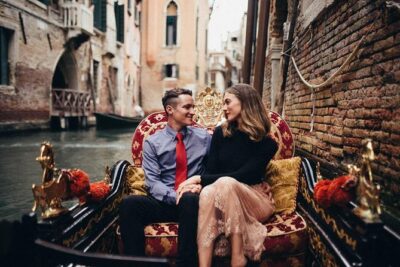
Venice is a fine place to stop taking postcard snaps and start making photographs with intent. On this private three-hour walk, you work directly with a professional photographer while aiming at icons such as Rialto Bridge and Saint Mark’s Basilica, then experiment with sunset and night techniques.
I like the one-to-one format, especially if your camera has been sitting unused in a drawer. I also like the freedom to shape the route around your interests, from grand monuments to quieter areas where Venetians live. The main consideration is the price, $204.25 per person, which makes the experience easier to justify for a small group than for a solo photographer.
Key points at a glance
- Private instruction for up to four people: You receive direct guidance rather than trying to keep up with a large class.
- A practical camera lesson: Work with aperture, shutter speed, ISO, manual settings, timers and composition while actually photographing Venice.
- A flexible route: The guide can tailor the walk to your interests, including major sights or local residential areas.
- Several kinds of light: The lesson covers daylight, sunset and night photography, including long exposures and light streaks.
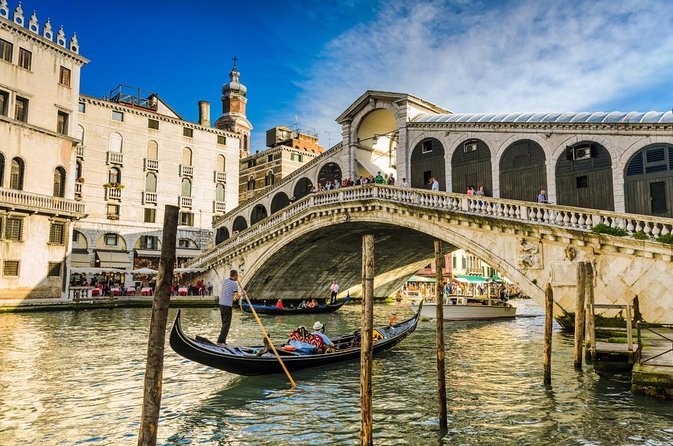
- Five planned photo areas: Expect time around Piazza San Marco, the wider city, Rialto Bridge, Ponte dell’Accademia and the Campanile di San Marco.
- Walking-only logistics: Transport is not included, so wear good shoes and plan to reach Campo San Vidal on your own.
Why a private camera lesson works well in Venice
A group photo class can teach useful ideas, but it often moves at the pace of the least prepared person. Here, your guide can look at your camera, see where you are stuck and adjust the lesson on the spot. That matters if you have recently moved from a simple bridge camera to a DSLR or more advanced model.
One participant arrived with camera trouble and still found the session worthwhile because the teaching was hands-on. That is a useful clue about the format: you do not need to arrive as an expert, and a technical snag does not have to ruin the outing. The guide can help you understand the controls you actually have rather than giving a generic lecture.
The lesson covers aperture, shutter speed and ISO, the three basic controls that shape exposure. You also practice focal points, creative angles and composition. In plain terms, you learn why one photo looks sharp and bright while another looks blurry, dark or flat, then you get a chance to correct the problem immediately.
This is much more useful than collecting a list of camera terms. You can apply the same settings later in Venice, at home, or anywhere else you take photographs.
More Photography Workshops and Lessons in Italy
- Unique Rome by Night, Photo Tour and Workshop Under the Stars
★ 5.0 · 96 reviews - Rome Photography Masterclass – Private Photography Lesson
★ 5.0 · 67 reviews - Rome by Day, Beauty and History Unique Photo Tour and Workshop
★ 5.0 · 36 reviews
Meeting at Campo San Vidal
The walk begins at Campo San Vidal in central Venice and ends back at the same meeting point. You arrange your own way there, and hotel pickup, drop-off and transportation between sights are not included.
That sounds simple, but it affects how you plan the day. Venice rewards slow walking, and photography makes you slower still. Give yourself enough time to reach Campo San Vidal without arriving flustered or late. Comfortable shoes matter, especially if you carry a DSLR, extra lens or tripod.
The activity runs in all weather conditions. Bring clothing suited to the forecast and protect your camera from rain if needed. Since the tour is private, you can also discuss what you want to prioritize before setting off. If you care most about night photography, ask about the start time when you book so the schedule suits that goal.
The tour is offered in English and can include up to four people in your booking. Group discounts are available, making the cost easier to share with family or friends who all want instruction.
Piazza San Marco and the Campanile
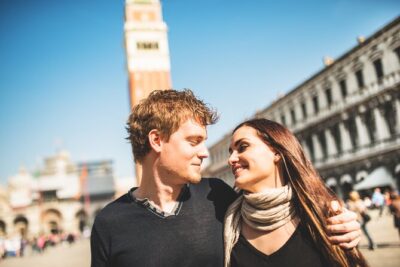
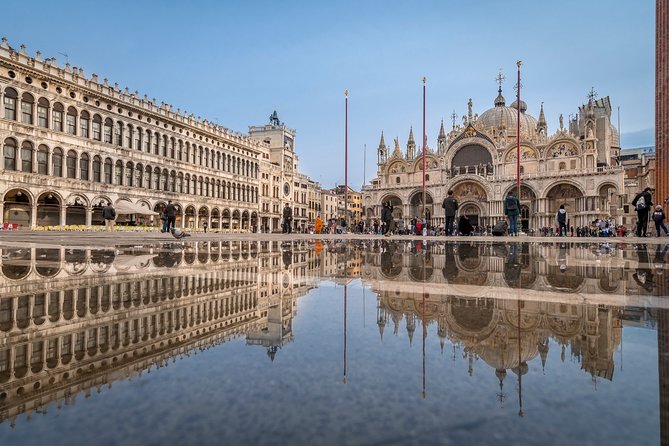
The first planned photo area is Piazza San Marco, with about 30 minutes for photography around the square. This gives you a chance to work on composition with some of Venice’s most recognizable sights in view.
Saint Mark’s Basilica and the Campanile di San Marco provide strong subjects, but they can also tempt you into taking the same straight-on picture everyone else has. Your guide can help you try different angles, focal points and framing rather than simply pointing your camera at the façade.
The Campanile is especially useful for thinking about vertical lines and scale. You can compare a tight architectural frame with a wider image that includes the surrounding square. The lesson is not just about making a landmark look pretty. It is about deciding what belongs in the frame and what should be left out.
Piazza San Marco also gives you a useful daylight setting. You can see how bright stone, shaded arcades and open sky affect exposure. If your camera has been set to automatic for years, this is a sensible place to begin learning what aperture, shutter speed and ISO actually do.
Rialto Bridge and the wider city
The schedule allows about 30 minutes around Ponte di Rialto, one of Venice’s most familiar viewpoints. The bridge offers a good subject for composition because it combines architecture, water, boats and movement in one frame.
Do not expect the best photograph simply because the sight is famous. The bridge can produce busy images with too much happening at once. Use the lesson to decide where your eye should land, how much of the Grand Canal to include and how a change in angle alters the result.
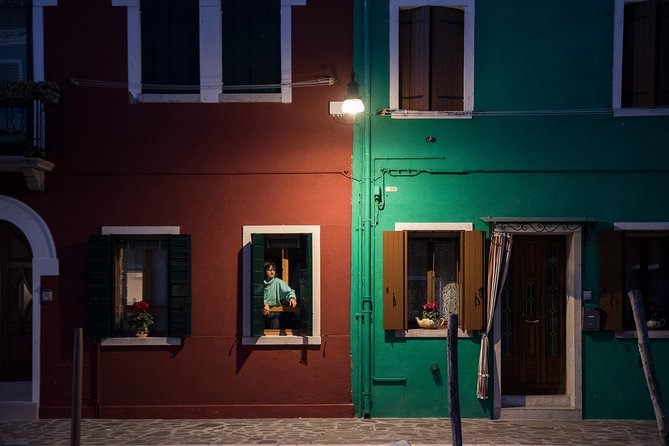
The wider city receives another 30-minute photography stop. This is important because the experience is not limited to monuments. One particularly useful part of the lesson is the option to visit areas where local Venetians live, where you may find more natural street scenes and less formal postcard material.
That local focus can be valuable for photographers who want a sense of place rather than a checklist of icons. You might photograph a doorway, a narrow passage, a canal edge or an everyday detail. The exact route is customized, so you should tell the guide if local life interests you more than another monument.
More Private Photoshoots in Italy
- Private Photo Shoot in Venice with Gondola Ride Included
★ 5.0 · 90 reviews - Private Photoshoot on Personal Gondola in Venice
★ 5.0 · 82 reviews - Private Photo Shoot in Venice with Gondola Ride
★ 5.0 · 81 reviews - Private Tour: Personal Travel Photographer Tour in Venice
★ 4.5 · 22 reviews
Ponte dell’Accademia and changing viewpoints
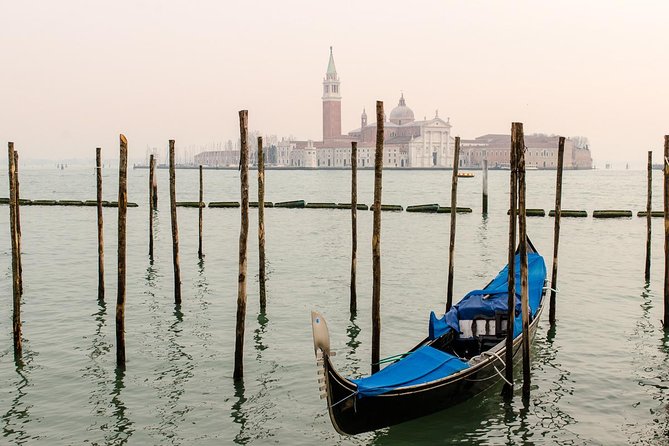
Ponte dell’Accademia receives about 30 minutes in the planned route. Its position gives you another way to photograph Venice and compare viewpoints across the city.
This is a good part of the lesson for testing focal length and perspective. A wide setting can show the sweep of the water and buildings, while a longer setting can isolate a smaller detail. Your guide can help you see how the same scene changes when you move, alter your angle or shift the focus point.
The value here is repetition. You are not merely hearing that composition matters. You are trying it several times in different places, then seeing which choices produce a stronger image.
The five listed areas each receive about 30 minutes, though the tour is approximately three hours overall. Walking between them and stopping for instruction takes part of the remaining time. If you have a very specific shot in mind, tell the guide at the start so the route can be adjusted rather than assuming every listed stop will receive equal attention.
Sunset, night photography and the Grand Canal
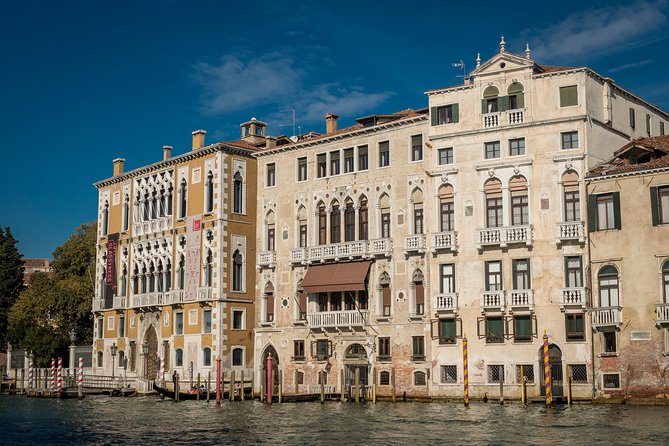
The experience includes instruction for daylight, sunset and night photography. That range is one of its strongest features, but timing matters. A three-hour session cannot provide every kind of light on every date unless the start time lines up with the season and your chosen focus.
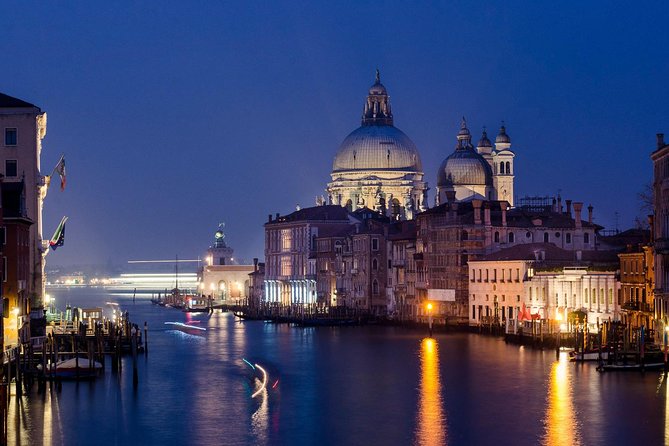
At sunset, you can work on the softer light of twilight and try to capture Venice after the harshest daylight fades. This is a useful time to practice exposure changes because the scene shifts quickly. A setting that works in bright afternoon light may not work a few minutes later.
Night photography brings a different set of problems. One participant used a Canon DSLR and learned how to work in Manual mode rather than relying on AV mode. The guide also showed how to coordinate the camera timer with manual settings when a personal remote release was unavailable.
That practical detail is worth noting. The session can cover long exposures, light streaks and light painting, along with ways to reduce camera shake. A small tripod or similar support may be useful, but you should not assume one will be supplied. In one case, the guide used a miniature Fotopod tripod when the participant’s returned tripod was not available.
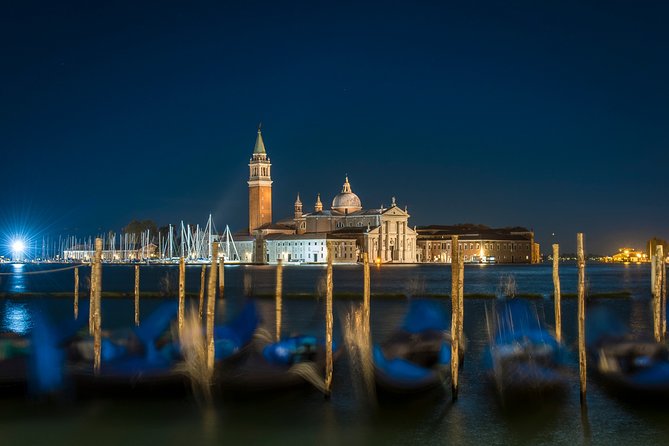
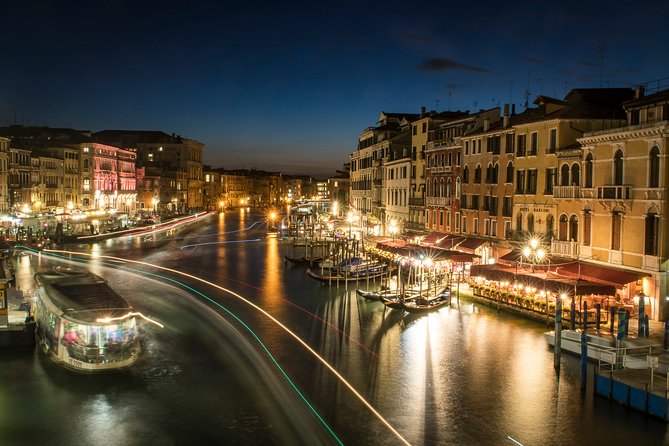
A stroll along the Grand Canal at night gives you illuminated buildings and reflections to work with. Long exposure can turn moving lights into streaks, while a steady camera can retain detail in darker areas. These techniques take patience, so the private format helps. You can repeat a shot, check the result and ask why it worked or failed.
If night photography is your main reason for booking, confirm the timing and equipment plan in advance. The description includes an introduction to night shooting, but exact conditions will depend on the date and start time.
The guides and teaching style
The guide is both a local guide and a professional photographer. Two guide names associated with the experience are Marco and Nicoletta. A session with Marco included one-on-one help for the full outing, including manual exposure and timer settings. Nicoletta is described as both an excellent photographer and a clear teacher who also guided the route through Venice.
The most useful part of this arrangement is that the guide teaches while you shoot. You can bring your own camera and ask about the controls that confuse you. If your camera has unusual menus or you are unsure how to change a setting, show the guide exactly what you are seeing.
Beginners should feel comfortable here, but the lesson is not limited to beginners. You can ask for help with creative angles, focal length, low-light exposure or a more focused night session. The private setup means the lesson can move faster if everyone in your group already knows the basics.
Still, your results will depend partly on preparation. Charge your battery, bring the camera manual if you have it, and carry any lens or tripod you normally use. If you are new to the camera, arrive with two or three questions. That will help you use the limited three-hour window well.
Price, group size and overall value
At $204.25 per person, this is not a cheap sightseeing walk. The value comes from private instruction, a professional photographer guide and a route built around your interests. For one person, the cost may feel high if you mainly want a guide to point out Venice’s sights.
For two to four people who all want to improve their photography, the price is easier to defend. You share the experience while still receiving direct help. Group discounts may also reduce the cost, though the exact saving is not specified.
You are paying for more than access to landmarks. The sights themselves are free to photograph, and there are no admission tickets included or required for the listed stops. You are paying for feedback, camera coaching, route flexibility and the chance to practice in several kinds of light.
I would book this early in a Venice visit. One beginner used the new skills throughout the rest of the trip, which is exactly how to get better value from the lesson. If you wait until your last day, you may learn useful techniques but have little time to use them again.
The experience is often booked about 17 days ahead, so it is sensible to reserve before your trip if your dates are fixed. Confirmation arrives at booking, and free cancellation is available up to 24 hours before the start time. Changes or cancellations inside that window are not accepted for a refund.
Who should book this photo walk?
This experience suits a beginner who owns a more advanced camera but does not yet feel at home with it. It also suits an intermediate photographer who wants help with night photography, manual settings or more thoughtful composition.
It is a good pick for couples, families or friends who want a private lesson instead of a standard city walk. The maximum is four people, so larger groups would need another arrangement.
You should also book it if you care about photographs beyond the usual monuments. Ask for local neighborhoods, street scenes or a route built around twilight. If you only want a quick introduction to Venice, the lesson may feel too specialized.
The main drawback is the walking and scheduling. You must get to Campo San Vidal yourself, the tour operates in all weather and the three-hour format requires choices. You cannot expect unlimited time at every sight plus a full lesson in daylight, sunset and darkness on every date.
Should you book the Venice Photography Masterclass?
Book it if you want to leave Venice with better camera habits, not just more pictures. The strongest reasons are the private format, hands-on teaching and the chance to practice across daylight, sunset and night conditions.
I would especially recommend it near the start of your stay, with your own camera fully charged and a short list of goals. Share your interests before you begin, particularly if you prefer local neighborhoods or night photography over landmark shots.
Skip it if you do not plan to use a camera, dislike walking, or only want a basic sightseeing tour. For everyone else, especially a small group splitting the cost, this is a practical way to turn Venice’s famous views into a real photography lesson.
FAQ
How long does the Venice Photography Masterclass last?
The private walking lesson lasts approximately three hours.
Where does the tour begin?
It begins at Campo San Vidal, Campo S. Vidal, 30124 Venezia VE, Italy.
Where does the tour end?
The activity ends back at the meeting point.
How many people can join the private tour?
A maximum of four people can participate in one booking.
Is transportation included?
No. Transportation to and from the attractions, as well as hotel pickup and drop-off, is not included.
Is the tour available in English?
Yes. The experience is offered in English.
Can I cancel for a full refund?
Yes. You can cancel at least 24 hours before the local start time for a full refund. Cancellations or changes made less than 24 hours before the start time are not accepted for a refund.
More Photography Workshops and Lessons in Venice
- Paris Photography Masterclass – Private Photography Lesson
★ 5.0 · 112 reviews - Elevate Your Photography – Barcelona Private Tour & Workshop
★ 5.0 · 78 reviews - Edinburgh Photography Masterclass – Private Photography Lesson
★ 5.0 · 40 reviews - Sydney Photography Course in the Historic Rocks Area
★ 5.0 · 35 reviews
More Private Photoshoots in Venice
- Venice: Private Photo Shoot and Professional Images
★ 5.0 · 5 reviews
Fresh shoots around Venice
- Venice: Private Photo Shoot and Professional Images★ 5.0 · 5 reviews
- Early Morning Photo Tour and Breakfast in a Luxury Location★ 4.5 · 2 reviews
- A Unique Photoshoot in Venice★ 5.0 · 17 reviews
- Cinematic Photoshoot in Venice: Capture Venice Hidden Gems★ 5.0 · 109 reviews
- Venice: Personal Travel and Vacation Photographer Services★ 4.6 · 36 reviews
- Private Tour: Personal Travel Photographer Tour in Venice★ 4.5 · 22 reviews
- Private Photo Shoot in Venice with Gondola Ride★ 5.0 · 81 reviews
- Private Photoshoot on Personal Gondola in Venice★ 5.0 · 82 reviews
Venice Photo Tours & Photoshoots, frame by frame.
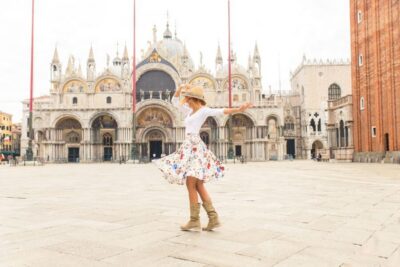
St Mark’s, Rialto & Instagrammable Gems Walking Tour
Read our review →
Cinematic Photoshoot in Venice: Capture Venice Hidden Gems
Read our review →