
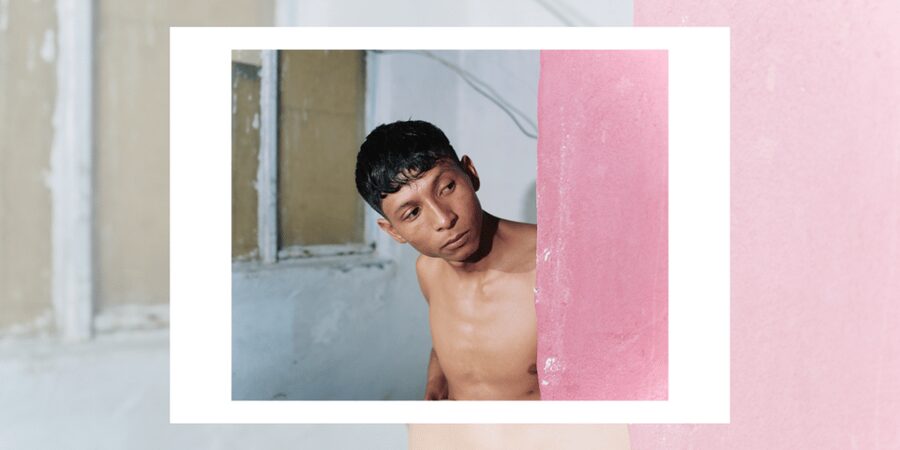
Review · BARCELONA
KBr Fundación MAPFRE – Photography Exhibitions
Barcelona’s KBr photography center gives you a focused look at two major photographers: American documentary pioneer Walker Evans and Spanish modernist Carlos Pérez Siquier. I like the pairing because one follows a country changing through streets and faces, while the other records Spain with color, humor, and a sharp eye.
I also like the small €5 price and the free audio guide, which lets you move at your own pace. The main thing to watch is scheduling: one reported booking arrived to find the exhibition closed, so check the center’s current opening information before setting out.
Key points to know before you go
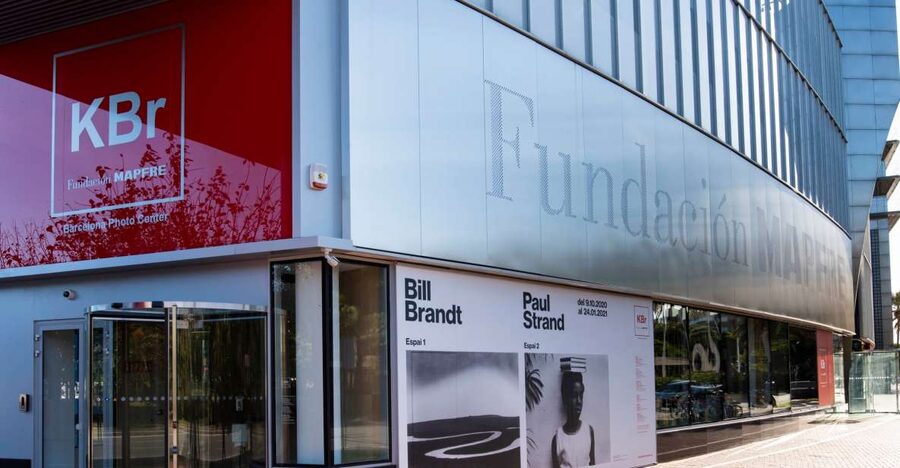
- Two exhibitions in one visit: See Walker Evans: Now and Then alongside Pérez Siquier: Fundación MAPFRE Collections.
- A strong American and Spanish pairing: Evans documents everyday life in the United States, while Pérez Siquier charts social change in Spain.
- David Campany’s Evans selection: The show follows Evans from photographs of the 1920s through his Polaroid work in the 1970s.
- Free audio guide included: Use the QR code in the galleries, with English, Catalan, and Spanish options.
- Easy price to justify: Admission costs $5 per person, making this a good short cultural stop in Barcelona.
- Bring headphones: You need them for the audio guide. You can bring your own or buy jack-style headphones at the ticket desk for €1.
Two photographers, two ways of seeing modern life
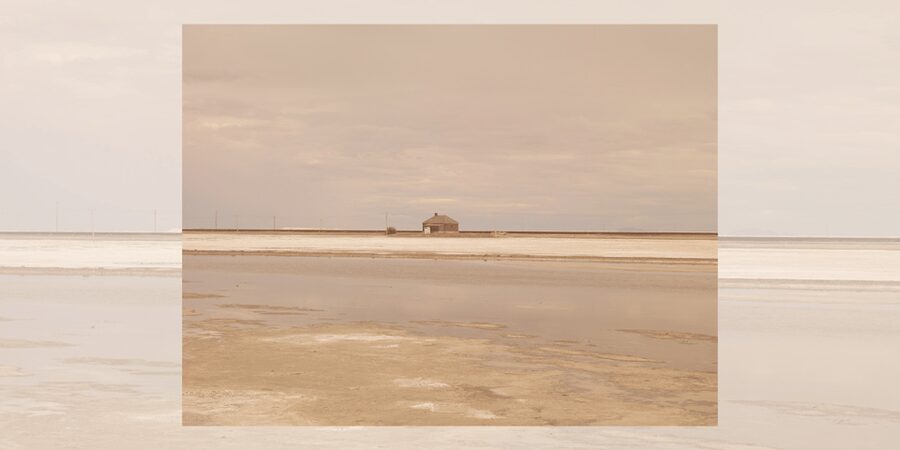
KBr Fundación MAPFRE is devoted to artistic photography, and its current program brings together two artists who looked closely at ordinary life. That makes this more than a quick display of attractive pictures. You get a chance to compare how photography records people, places, and social change across different countries and decades.
The first exhibition, Walker Evans: Now and Then, covers a long working life. Evans was born in 1903 and died in 1975. His photographs of streets, buildings, signs, and anonymous faces helped shape modern documentary photography.
The second exhibition focuses on Carlos Pérez Siquier, born in Almería in 1930 and active until his death in 2021. His work offers a Spanish counterpoint to Evans. Pérez Siquier paid close attention to local life, social change, and the expressive possibilities of color.
I like this pairing because the two exhibitions ask related questions without looking alike. What does a country reveal through its public spaces? How can a simple face, wall, beach, or shop sign say something about a whole period? You do not need to know photography theory to follow these ideas, but a little patience helps.
More museum stops around Barcelona:
- Berlin: Fotografiska Photography Exhibition Ticket
★ 4.6 · 168 reviews - Amsterdam: Foam Photography Museum Admission Ticket
★ 4.2 · 141 reviews - Paris: Private Photoshoot Outside the Louvre Museum
★ 4.8 · 139 reviews
Walker Evans from the 1920s to the 1970s
The Evans exhibition is assembled by David Campany and follows the photographer across five decades. You begin with early work from the 1920s and continue through his later experiments with a Polaroid camera in the 1970s.
Evans is often associated with a plain, direct style. That simplicity can fool you. A photograph may appear to show only a storefront, a road, or a person looking toward the camera, yet small details carry much of the meaning. Signs, clothing, architecture, and posture all help describe a United States undergoing major change.
His work is especially useful for visitors who want to understand documentary photography. Evans did not need dramatic action to make an image important. He found visual interest in ordinary surroundings and treated everyday subjects with care.
One of the identified photographs is Broadway, 1930, held in a private collection in San Francisco and credited to the Walker Evans Archive at The Metropolitan Museum of Art. It gives you a sense of the exhibition’s attention to urban life and the visual signs of popular culture.
The display also reaches beyond Evans’s best-known early photographs. His Polaroid work from the 1970s shows that he continued testing new tools late in his career. That change in method matters because it keeps the exhibition from presenting him as a photographer frozen in one style.
Allow time to look more than once. Evans’s pictures can seem quiet at first, then reveal stronger social observations as you notice the details. The exhibition rewards a slow pace more than a quick sweep through the rooms.
Pérez Siquier and the changing face of Spanish photography
The Pérez Siquier exhibition draws from works added to Fundación MAPFRE’s photography collection in 2022. It brings together key series including La Chanca, Informalisms, and The Beach.
Pérez Siquier was based in Almería, where he developed a personal style that combined modern design, poetry, and social observation. His work reflects Spain’s cultural and social changes, but it does not simply serve as historical record. He also played with framing, color, texture, and visual surprise.
His importance to Spanish photography comes partly from his work with the Agrupación Fotográfica Almeriense and the magazine AFAL. He helped push photography toward recognition as an artistic form in Spain. That context gives the exhibition extra weight, especially if you are interested in how photography developed outside the better-known centers of European art.
The selection follows his move from black and white into color. That change is worth watching closely. Black and white can emphasize shape, shadow, and structure, while his color photographs open up a different set of possibilities. Color becomes part of the subject, not just a way to reproduce it.
A listed example is Marbella, 1974, credited to Pérez Siquier and VEGAP, Barcelona. The date places the photograph within a period of major change in Spain, and the exhibition uses images such as this to connect visual style with wider social shifts.
You may find the Pérez Siquier rooms more immediately playful than the Evans exhibition. His images can invite a smile, but they also ask you to think about what is changing in the society around the picture. That mix of visual pleasure and social thought is one of the strongest reasons to include KBr in your Barcelona plans.
How to use the two exhibition spaces
KBr has two exhibition spaces, and the ticket gives you access to the current program in the center. The practical advantage is that you can see both photographers during one stop rather than planning separate museum visits.
I suggest giving the exhibitions separate attention instead of rushing from one to the other. Evans works best when you look at the structure of an image and the details that make an ordinary subject meaningful. Pérez Siquier asks you to notice color, visual rhythm, humor, and the way a picture captures a changing Spain.
The center’s program is scheduled to run until May 24, 2026. That date matters if you are building a later Barcelona trip around these specific shows. Exhibitions change, so confirm the current program if your visit is close to or after that date.
This is a photography center rather than a large general museum. The visit is therefore more concentrated. You will not spend the whole day moving through many unrelated collections. Instead, you can plan a measured visit around two photographers and still have time for other parts of Barcelona.
More photo tours and photoshoots around Barcelona:
- Barcelona E-Bike Photography Tour
★ 5.0 · 843 reviews - Barcelona: Paddleboarding at Sunrise. Includes: instructor, photos, equipment
★ 4.7 · 570 reviews - Costa Brava: Kayak, Snorkel, Photos, Lunch, Beach & Cliff Jump!
★ 5.0 · 508 reviews - Barcelona: Instagram Tour of the Most Scenic Spots
★ 4.9 · 332 reviews
The free audio guide and what you need
The standard ticket includes a free audio guide in English, Catalan, and Spanish. It is accessed through a QR code available in the exhibition rooms.
You need a mobile device and an active mobile internet connection. If your data service does not work in Spain, the center provides free Wi Fi. I would still prepare before entering the first gallery, since dealing with a phone connection can distract from the photographs.
Headphones are required so the audio does not disturb other people. Bring your own if possible. The center also sells jack-style headphones for €1 at the ticket counter, though availability may mean waiting.
The audio guide is useful if you want more context about the artists and individual works. If you prefer a quiet visit, you can rely on the photographs and use only the sections that interest you. That flexibility is a plus, particularly for people visiting at different speeds.
One small practical point: keep your phone charged. The audio guide depends on your mobile device, and a low battery can turn a simple museum visit into a needless nuisance.
Port Olímpic location and opening hours
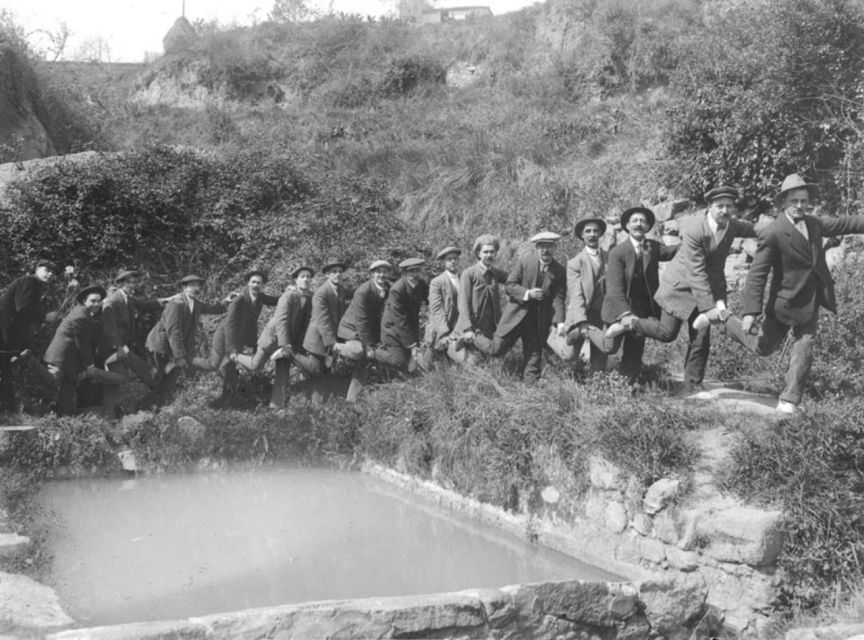
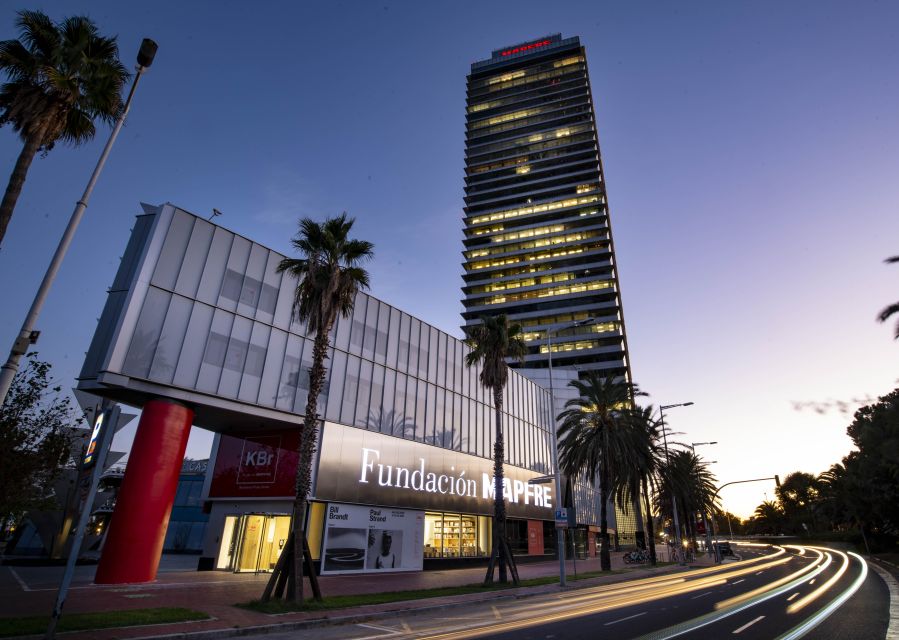
KBr is in Barcelona’s Port Olímpic area. The location makes sense as part of a day that includes the waterfront, although the exhibition center itself is the main reason to come.
You present your voucher at the ticket desk. The ticket is valid for one day, and the activity details indicate that you should check availability for the available starting times.
Opening hours vary by season:
- From October 1 through March 31, the center is open Tuesday through Sunday and holidays from 11 am to 7 pm.
- From April 1 onward, it is open Tuesday through Sunday and holidays from 11 am to 8 pm.
The center is not listed as open on Mondays. Check the date carefully before you go, especially if Monday is your planned museum day. The reported closure problem also makes it sensible to verify the current schedule on the day of your visit rather than relying only on an old booking time.
Since the listed duration is one day, you have room to plan your visit without treating it as a tightly timed guided tour. Still, the exhibition’s value comes from looking carefully, not from simply spending the maximum possible time inside.
Is the $5 ticket good value?
At $5 per person, this is an easy cultural purchase for most Barcelona itineraries. You get two exhibitions, access to a photography center, and a free audio guide in three languages.
The value is strongest if you already enjoy photography or want a calm break from Barcelona’s larger attractions. The two exhibitions also give you a useful contrast: Evans’s documentary view of the United States and Pérez Siquier’s modern Spanish photography.
The ticket may feel less worthwhile if you only want famous postcard sights or prefer museums with many different collections. KBr is specialized. Its appeal comes from the quality and focus of the program, not from sheer size.
The overall rating attached to the experience is 3.4 out of 5 from seven reviews, which suggests a mixed but generally workable experience. Positive comments specifically point to the modern, well-kept space and to the strength of the photography. One particularly serious complaint involved arriving for a booked time and finding the exhibition closed, followed by difficulty obtaining a refund. I would treat that as a reason to confirm the operating schedule, not as a reason to dismiss the exhibitions themselves.
Who will enjoy KBr most?
I would recommend this visit to:
- People who enjoy documentary photography and visual art
- Visitors interested in 20th-century American or Spanish culture
- Anyone looking for a quieter museum stop near Port Olímpic
- Couples or solo visitors who prefer moving at their own pace
- Visitors who value a low-cost cultural activity with audio support
- Repeat Barcelona visitors seeking something beyond the city’s major landmarks
Families may also find the visit manageable, but the subject matter and presentation are aimed more at people ready to look closely and listen. The images are not presented as a fast entertainment stop.
If you have limited time in Barcelona, this works best when you are already near Port Olímpic. If reaching the center would require a long cross-city journey, compare that travel time with your interest in photography. The $5 admission is modest, but time is still part of the cost.
Booking advice and small practical details
The experience offers free cancellation up to 24 hours before the visit, and you can reserve now and pay later. Those terms help if your Barcelona plans are still shifting.
The center is wheelchair accessible. Food and swimwear are not allowed inside, so plan to finish snacks before you arrive and dress for a museum setting.
Bring headphones, charge your phone, and check the opening hours before leaving. Those three steps solve most of the practical issues connected with the audio guide and schedule.
Give yourself enough time to compare the photographers. If you only glance at the photographs, you may miss what makes the exhibitions worthwhile. Evans rewards attention to small details in public life, while Pérez Siquier asks you to see how color and composition can turn social observation into art.
Should you book KBr Fundación MAPFRE?
Book it if you like photography, modern Spanish culture, or thoughtful museum visits at a low price. The pairing of Walker Evans and Carlos Pérez Siquier gives you a useful conversation between American documentary work and Spanish photographic modernism. David Campany’s Evans selection also provides a clear route through a long career, from the 1920s to the Polaroid experiments of the 1970s.
Skip it if your Barcelona schedule is packed with headline attractions and photography is not a real interest. This is a focused center, not a giant all-purpose museum.
For most art-minded visitors, I would book it, then verify the opening status shortly before going. At $5, the risk is small, the audio guide is free, and the two exhibitions offer far more substance than the price suggests.
FAQ
Where is KBr Fundación MAPFRE located?
KBr Fundación MAPFRE is in Barcelona’s Port Olímpic area in Catalonia, Spain.
What exhibitions can I see?
The program includes Walker Evans: Now and Then and Pérez Siquier: Fundación MAPFRE Collections. The exhibitions are scheduled to run until May 24, 2026.
How much does admission cost?
The listed price is $5 per person. An entrance ticket is included.
Is an audio guide available?
Yes. The standard ticket includes a free audio guide in English, Catalan, and Spanish. You access it through a QR code in the exhibition rooms.
Do I need headphones for the audio guide?
Yes. Headphones are required. You can bring your own or buy jack-style headphones at the ticket counter for €1, subject to availability.
Is KBr wheelchair accessible?
Yes, the center is wheelchair accessible.
Fresh shoots around Barcelona
- Guided tour of Barcelona in French (Old Town & Instagram spots)★ 5.0 · 18 reviews
- Barcelona: Gothic Quarter Cinematic Photoshoot and Guide★ 3.8 · 7 reviews
- Barcelona Tourist Photographer – Exclusive Photoshoots★ 5.0 · 2 reviews
- Barcelona: Private Sagrada Familia Photoshoot★ 4.8 · 47 reviews
- Barcelona: Private Photoshoot in Ciutadella Park with Ami★ 5.0 · 2 reviews
- Barcelona: Private Photoshoot with a Professional★ 5.0 · 2 reviews
- Barcelona: Professional Private Photoshoot★ 4.9 · 28 reviews
- Sagrada Familia cinematic photoshoot★ 5.0 · 2 reviews
Barcelona Photo Tours & Photoshoots, frame by frame.

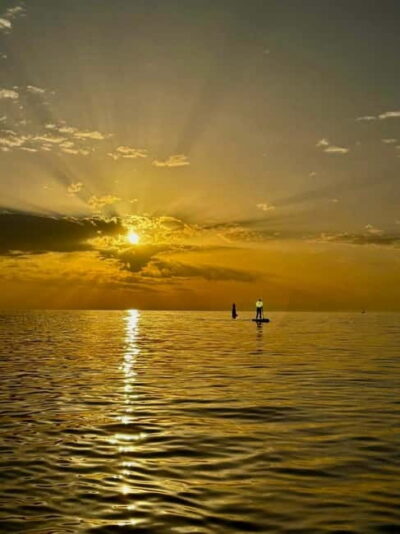
Paddleboarding at Sunrise. Includes: instructor, photos, equipment
Read our review →
Costa Brava: Kayak, Snorkel, Photos, Lunch, Beach & Cliff Jump!
Read our review →
✅ Barcelona: Sightseeing Professional Photoshoot Session
Read our review →This shoot also appears in