
Review · BERLIN
Berlin: Fotografiska Photography Exhibition Ticket
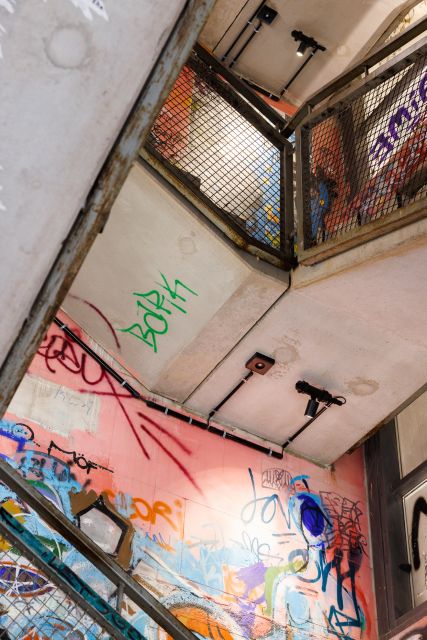
Fotografiska Berlin turns a museum visit into an easygoing night out. You move through several floors of contemporary photography in a former artists’ house, with preserved stairwell graffiti, bars, terraces, and a shop selling Berlin-made design. Drinks are allowed in the exhibitions, which gives the visit a relaxed feel rather than a hushed, formal one.
I like the long opening hours, from 10 am to 11 pm every day, and the mix of famous international photographers with newer Berlin artists. The main drawback is scale: two hours is enough for a good look, but one recent visitor found the museum a bit smaller than expected, so do not plan your entire day around it.
Key points to know before you go
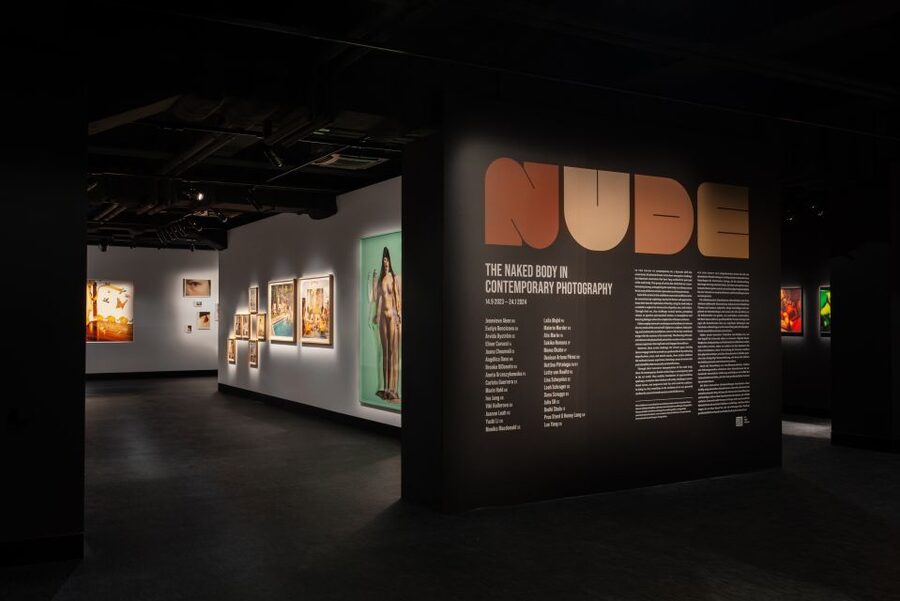
- Four current exhibitions can be seen with one admission ticket, with new shows changing throughout the year.
- The former artists’ house adds preserved graffiti, original facades, and Berlin character to the gallery visit.
- Late opening until 11 pm makes this a useful after-dinner or after-work stop.
- Drinks are permitted inside the exhibitions, and bars, a restaurant, and terraces extend the visit.
- Dogs and children are welcome, making this less formal than many photography museums.
- The $17 ticket is reasonable if you spend close to two hours viewing the shows and use the building’s food, drink, or shopping options.
Why Fotografiska Berlin feels different from a standard museum
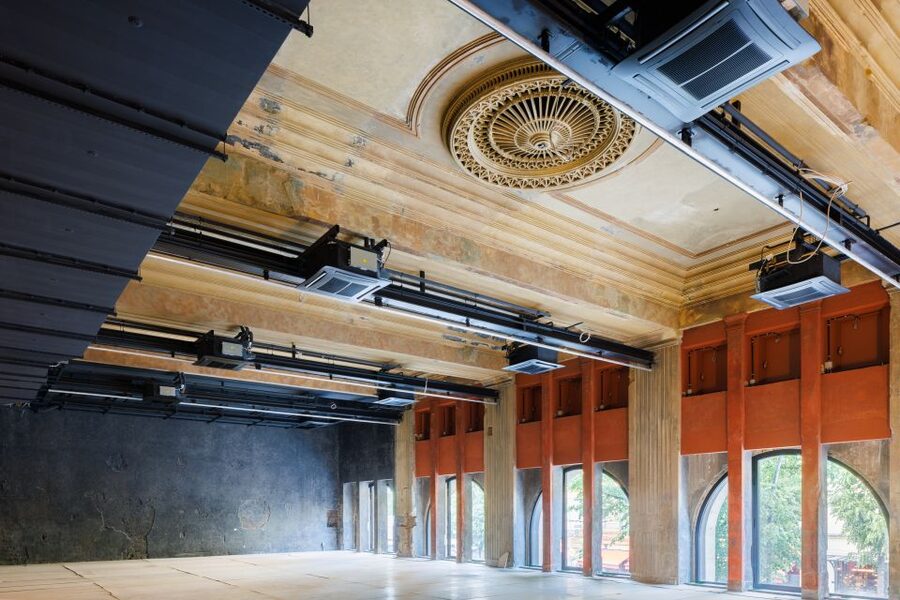
The strongest reason to visit is the combination of art and setting. Fotografiska Berlin occupies a historic building with more than 115 years of use behind it, including a past connected with artists. You are not simply entering a white gallery box. The original facades and preserved graffiti in the stairwell give the building its own voice.
That matters because contemporary photography can feel distant when it is shown in an anonymous room. Here, the rougher parts of the building add texture and a sense of place. I would allow a few extra minutes for the stairways and transitional spaces, not just the framed works.
The museum also feels informal. You can bring a drink with you as you walk through the exhibitions, and dogs are allowed inside. That will not suit someone seeking a solemn, tightly controlled gallery visit, but it works well if you prefer art spaces where you can linger without ceremony.
Children are welcome too. The museum does not present itself as a children’s attraction, so families should still judge the exhibitions by their subject matter, but the relaxed policy removes some of the pressure of bringing younger visitors.
More museum stops around Berlin:
- Berlin: Ticket for Photography Exhibitions at C/O Berlin
★ 4.5 · 39 reviews - Berlin: East Side Gallery Photoshoot
★ 5.0 · 2 reviews - Amsterdam: Foam Photography Museum Admission Ticket
★ 4.2 · 141 reviews
Your two-hour route through the exhibitions
The ticket covers all current Fotografiska Berlin exhibitions. The exact display changes over time, so I would check the program close to your visit. At present, the schedule includes work by James Nachtwey, Shepard Fairey, Diana Markosian, and Nikita Teryoshin.
A practical visit begins at the ticket desk, where you show your ticket for entry. From there, give yourself roughly two hours, though photography fans may want longer. The exhibition rooms are spread over multiple floors, so your pace will depend on how closely you read wall text and how long you spend with individual images.
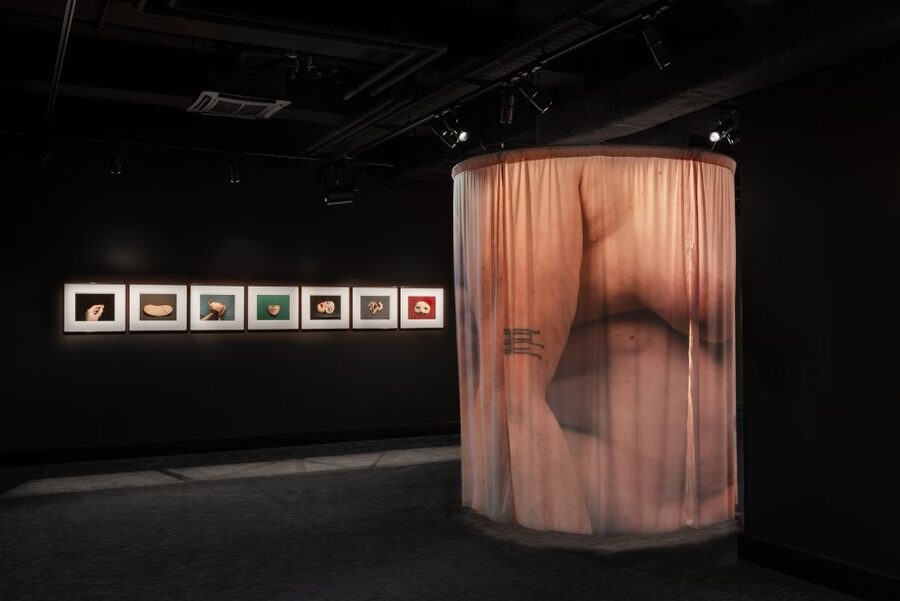
Start by getting an overall sense of the building and the exhibition layout. Then move through each show without rushing. Fotografiska is designed for atmosphere as well as information, so lighting, room arrangement, and scale are part of the experience. I would not treat it like a quick checklist of photographs.
The current program gives you a useful range. James Nachtwey’s Memoria, running from January 31 to May 3, 2026, brings the work of a major international photographer into the program. Shepard Fairey’s Photo Synthesis, scheduled from October 17, 2025, to March 8, 2026, adds a different angle through an artist known for graphic visual language.
Diana Markosian’s Father, running from November 21, 2025, to April 19, 2026, offers another personal and documentary-focused perspective. Nikita Teryoshin’s Life Sentence, scheduled from January 21 to March 23, 2026, rounds out the current group.
The value here is the contrast. You are not paying to see one narrow style for two hours. You get several voices, and the shift from one exhibition to the next helps keep the visit fresh. The tradeoff is that a changing program means your experience depends heavily on the dates of your visit.
A program that keeps changing
Fotografiska’s upcoming exhibitions include Anna Ehrenstein’s The Language of the Soil, from March 13 to June 12, 2026. Bruce Gilden’s Why These? follows from April 24 to August 23, 2026.
Anton Corbijn’s Corbijn, Anton is scheduled from May 9 to September 20, 2026. The Anonymous Project by Lee Shulman, titled No Place Like Home, is planned from June 20 to November 1, 2026.
This forward schedule is useful when planning a Berlin trip several months ahead. It also means you should not rely on a friend’s description of the museum from an earlier visit. The exhibitions may be different by the time you arrive.
The program mixes established names and newer talent. That is good for anyone who wants more than a famous-name exhibition, though it also means you should look at the current dates before booking. If one artist is your main reason for going, confirm that the show overlaps with your trip.
The building is part of the ticket
Fotografiska’s building is not just a container for photographs. Its more than 115 years of history, original facade, and former artists’ house identity add a distinctly Berlin layer to the visit.
The preserved graffiti in the stairwell is especially important. It connects the polished exhibition rooms with the city’s rougher, more improvised artistic traditions. You get a sense that the building has had several lives, rather than being converted into a gallery with all traces of its past removed.
That contrast is one of the best reasons to avoid rushing. Look around as you change floors. The stairwell and surrounding details help explain why Fotografiska Berlin feels more like a cultural meeting place than a conventional museum.
A guided tour is also available for visitors who want more context about the building’s street art heritage and unusual past. No guide name is provided for this experience, and the entry ticket itself covers admission rather than a named personal guide, so check the available tour details if guided interpretation is important to you.
More tickets around Berlin:
- Ubud: Tegalalang Rice Terrace Photos Tour with Swing Ticket
★ 4.7 · 177 reviews - Berlin Museum of Photography Entry Ticket
★ 4.5 · 88 reviews - Los Angeles: Academy Museum of Motion Pictures Ticket
★ 4.7 · 84 reviews - Park Guell Private Photoshoot with Skip the Line Ticket
★ 5.0 · 75 reviews
Food, drinks, terraces, and the late-night advantage
The opening hours are unusually useful. Fotografiska is open daily from 10 am to 11 pm, giving you plenty of room to fit it around sightseeing, shopping, or dinner.
I would consider an evening visit one of the best uses of the ticket. You can see the exhibitions after a day in Berlin, then stay for a drink or food rather than crossing the city for another stop. The museum’s bars and restaurant offer choices from casual to more polished, though food and drinks are not included in the admission price.
You can also take a drink into the exhibitions. That simple rule changes the pace. Instead of treating the galleries as a place you must pass through quickly, you can pause with a drink and spend more time with a work that catches you.
There are hidden terraces with views over Berlin. The information provided does not specify the exact view, seating capacity, or whether every terrace is open at all times, so treat them as a useful extra rather than the main reason for booking.
The late schedule also helps if you are staying nearby and want a quieter cultural stop after the busiest part of the day. It is not a substitute for a full evening plan, but it can combine art, drinks, and food in one address.
The concept store for Berlin-made design
The in-house concept store is open daily from 10 am to 11 pm. It sells art prints, design, and fashion from Berlin-based labels and local brands.
This is a better souvenir option than a generic museum magnet if you want something connected to the city’s creative scene. You might find a print or design item that reflects Berlin’s current visual culture, though the exact stock will change.
The store also gives non-museum companions something to do. If one person in your group is less interested in photography, the shop, restaurant, bars, and terraces make the building more flexible than a standard exhibition-only venue.
Do not count shopping as part of the $17 admission value, since purchases cost extra. Still, the store can make the visit feel more complete, especially if you are looking for a small piece of Berlin art rather than a mass-produced souvenir.
Who will get the most from the $17 price
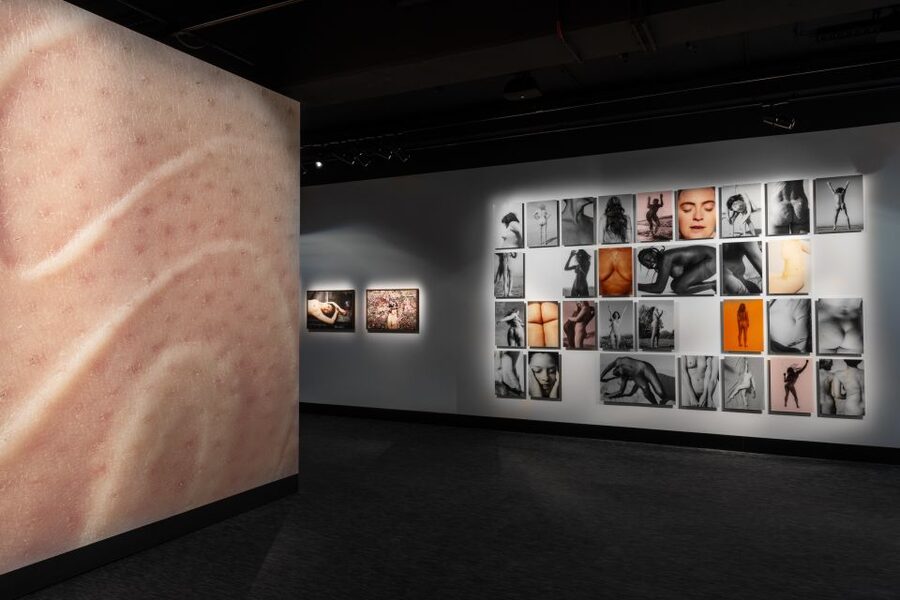
At $17 per person, the ticket is fairly priced for a major city museum visit, especially because it covers all current exhibitions. The value improves if you spend close to two hours inside and make use of the building’s wider program.
I would book it for a visitor who likes contemporary photography, street art, design, or cultural spaces with a social feel. It also suits a flexible evening schedule, since you do not have to arrive at a narrow timed slot based on the information provided.
The price is less attractive if you only want one specific photograph or expect a very large museum. One visitor described the place as smaller than expected, so anyone looking for a huge collection should set expectations accordingly.
The museum’s size may actually help you. Two hours is enough to see the main exhibitions without turning the visit into an all-day commitment. In Berlin, where there is always another neighborhood or museum competing for your time, that can be a real advantage.
Practical details that affect your visit
Show your ticket at the ticket desk when you arrive. Hotel pickup and drop-off are not provided, so you arrange your own way to the museum.
Oversize luggage is not allowed. Travel light, especially if Fotografiska is one stop during a day of sightseeing. A standard small bag is the safer choice, but the supplied information does not specify exact storage or cloakroom rules.
The museum is wheelchair accessible. Dogs are welcome, and children can enter, which makes this a more flexible choice for mixed groups than many traditional art museums.
You can cancel up to 24 hours before the visit for a full refund. The reserve now and pay later option lets you hold a place without paying immediately, useful when your Berlin plans are still shifting.
The listed duration is two hours, but that is a guide rather than a strict limit on how much you can appreciate the building. If you read every label, stop for a drink, visit the shop, or use the restaurant, plan extra time around the exhibition portion.
Should you book Fotografiska Berlin?
Book it if you want contemporary photography in a setting that feels social, informal, and distinctly connected to Berlin. The late hours, drink-friendly galleries, local design shop, and preserved graffiti make it easy to fit into a full city itinerary.
I would be more cautious if you expect a huge museum or a traditional collection arranged in historical order. Fotografiska is about changing exhibitions and presentation, not a permanent survey of photography.
For most visitors, the best plan is to allow two hours, arrive with only manageable luggage, and choose a time that lets you stay for a drink or meal. At $17, it offers solid value when you treat it as both an exhibition visit and an evening cultural stop.
FAQ
How much does admission to Fotografiska Berlin cost?
The ticket price is $17 per person.
How long does a visit take?
The listed duration is two hours. You may want extra time if you plan to visit the shop, restaurant, bars, or terraces.
What does the ticket include?
Admission includes entry to all current Fotografiska Berlin exhibitions.
What are Fotografiska Berlin’s opening hours?
Fotografiska Berlin is open every day from 10 am to 11 pm.
Can I bring a drink into the exhibitions?
Yes. Drinks are allowed while you walk through the exhibitions.
Are children allowed inside Fotografiska Berlin?
Yes. Children are welcome at the museum.
Can I bring my dog?
Yes. Dogs are allowed inside Fotografiska Berlin.
Is Fotografiska Berlin wheelchair accessible?
Yes. The museum is wheelchair accessible.
Can I cancel my booking for a refund?
Yes. You can cancel up to 24 hours in advance for a full refund.
Fresh shoots around Berlin
- Instagram Tour in Berlin★ 5.0 · 2 reviews
- Discover Berlin Underground through Mobile Photography★ 5.0 · 5 reviews
- Berlin: Premium 60-Minute Photoshoot at Iconic Landmarks★ 5.0 · 2 reviews
- Berlin: Ticket for Photography Exhibitions at C/O Berlin★ 4.5 · 39 reviews
- Berlin: Private Photo Walk with Professional Photographer★ 4.5 · 2 reviews
- Berlin U Bahn Cinematic Photography Tour★ 4.9 · 9 reviews
- Berlin: Instagram Tour of the most visited spots★ 4.7 · 6 reviews
- Berlin Love Story: Surprise Proposal Photography Session★ 5.0 · 7 reviews
Berlin Photo Tours & Photoshoots, frame by frame.
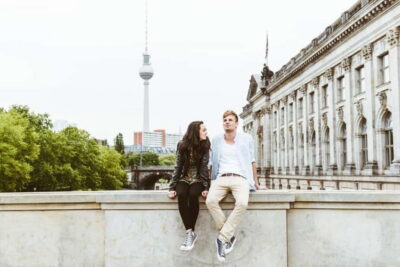
Berlin Essentials: Private Photoshoot at Berlin’s top sites
Read our review →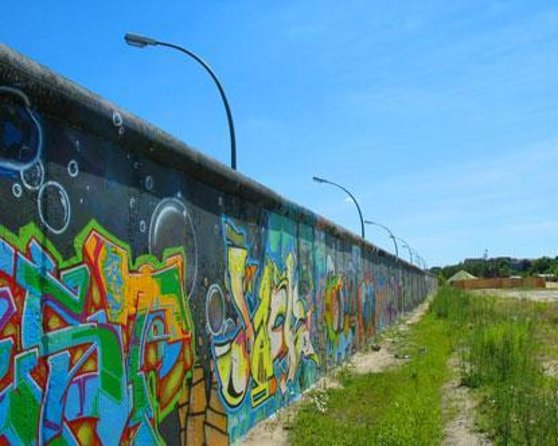
5hours: Guide, Chauffeur & Photographer in Berlin private Tour
Read our review →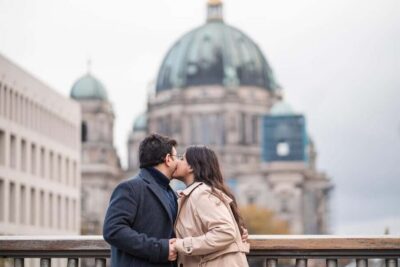
Berlin: Private Photo Session with Professional Photographer
Read our review →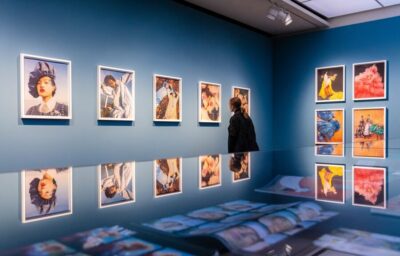
Berlin: Ticket for Photography Exhibitions at C/O Berlin
Read our review →
Berlin: Early Morning Private Photoshoot to avoid the Crowd
Read our review →
Berlin by Night: Private Photoshoot at Illuminated Cityscape
Read our review →This shoot also appears in