Review · ROME
Rome Night Photo Tour
Rome looks different after sunset, and this tour is built around that change. You move from the Colosseum and St. Peter’s Basilica to Castel Sant’Angelo, the Roman Forum, and several lesser-used viewpoints, learning how to turn famous sights into more thoughtful photographs. The guide, often Marco, is both a working photographer and a patient teacher.
I like the small maximum of four people, which gives you a real chance to ask about shutter speed, focus, composition, or your phone camera. I also like the free place for a non-photographer companion, plus the loan of a tripod when needed. The main catch is that this is not a simple ride through Rome. You will walk, stop, reset, and wait for the light, so comfortable shoes and a little stamina matter.
Rome at night, with a camera in hand
This is part sightseeing, part practical photography class. You are not simply driven past monuments while someone points out the window. At each stop, the guide helps you decide where to stand, what to include, and how to handle the difficult mix of darkness, artificial light, bright stone, and deep shadow.
You might use a proper camera, a basic compact, or an iPhone. The teaching adjusts to your equipment. Several people have used only a phone and still received help with night mode, stability, framing, and sharpness. If you bring a camera, expect advice on settings and composition rather than a lecture packed with technical terms.
The guide’s teaching style is one of the strongest reasons to book. Marco is repeatedly described as patient and generous with his time, and one booking also refers to Luca as the guide. Since the company may assign different instructors, check the name when you reserve if that matters to you.
The workshop has won the Travel and Hospitality Award in 2020, 2021, 2022, 2024, and 2025. Awards do not guarantee a perfect evening, but the consistently high rating and strong comments about instruction support the idea that this is more than a standard photo walk.
What makes this small-group format useful
A group of four is small enough for individual help without the cost of a fully private tour. That matters at night, when each person may use different equipment and need different settings.
You might need a tripod and a slow shutter speed. Another person may be trying to make a phone photograph look less like a quick snapshot. A third person may already understand exposure but need help with framing. A four-person limit gives the guide room to work through those differences.
A non-photographer companion can come free of charge. This is a smart arrangement for couples or families where only one person wants formal instruction. The companion can still enjoy the monuments, walk the route, and learn a few simple phone tips without paying the full price.
The tradeoff is that a small group is not the same as a private tour. If you want every stop arranged around your own interests, ask about a private option. The published experience also allows date changes without an extra fee, which is useful when your Rome plans shift.
More Photography Tours in Italy
- Rome: Vespa Photo Tour with Historic City Highlights
★ 5.0 · 395 reviews - Rome: Vespa Photo Tour with City Center Pickup
★ 5.0 · 239 reviews - Unique Rome by Night, Photo Tour and Workshop Under the Stars
★ 5.0 · 96 reviews
Starting near the Tiber and reaching St. Peter’s
The meeting point is outside the Napoleonic Museum at Piazza di Ponte Umberto I. This places you near the Tiber and close to the central riverfront, a practical starting area for St. Peter’s Basilica and Castel Sant’Angelo.
The exact order of stops may depend on the light and the evening’s route. The stated seasonal start is 5 p.m. from November through March and 7:30 p.m. from April through October, but the time can change with twilight. Confirm the final start time before setting your dinner plans.
St. Peter’s Basilica receives about 45 minutes. Here the guide uses a different photographic technique from the one used at the Colosseum. That variety is useful because night photography is not one single formula. A broad monument, a lit dome, a river reflection, and a narrow street each call for a different approach.
You will not go inside St. Peter’s Basilica as part of this photo workshop. The value is in the exterior views and the chance to work with light, distance, and scale. If you have already visited the Vatican Museums during the day, this gives you a quieter way to see the basilica from outside.
Castel Sant’Angelo during the blue hour
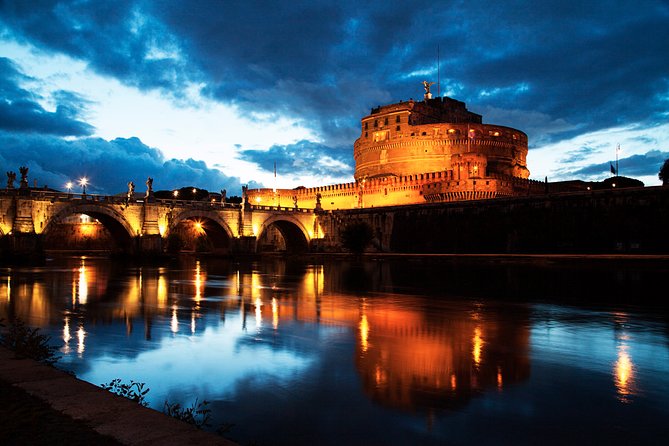
Castel Sant’Angelo, its bridge, and the Tiber are photographed for about 30 minutes. This is one of the most carefully timed sections because the blue hour gives the sky a cool glow after sunset while the city lights begin to take over.
The guide takes you to selected viewpoints rather than settling for the first obvious bridge picture. The goal is to connect the castle, bridge, river, and evening sky in one frame, or to isolate details that are easy to miss from the main pedestrian route.
This is also where a tripod can make a clear difference. It helps keep a slow exposure sharp and lets you lower the ISO for a cleaner image. If you use a phone, the guide may help you stabilize it and make better use of its night settings.
The route is not completely free of practical annoyances. Construction or temporary barriers can affect a viewpoint, and crowded spots are still possible. The guide’s local familiarity helps, but no instructor can control every fence, lamp, passing person, or change in access.
The Colosseum from two different angles
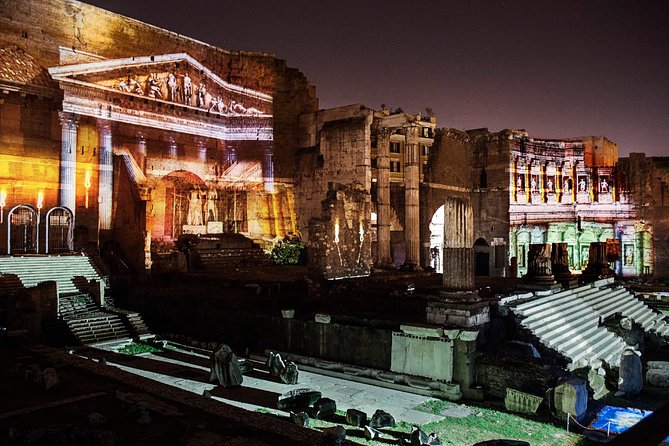
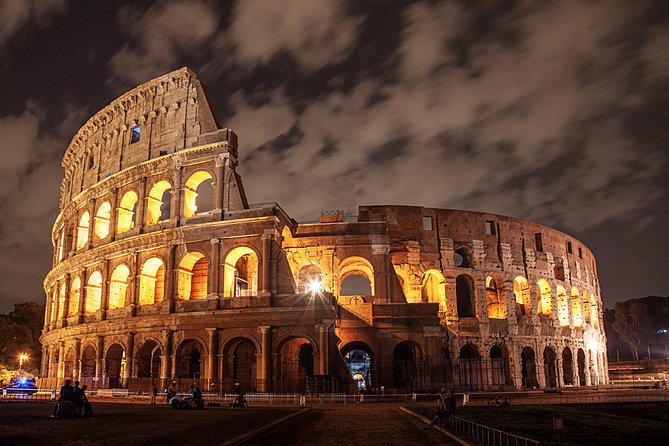
The Colosseum is photographed from two positions, one classic and one unusual, for about 30 minutes. That short description hides an important lesson: a familiar monument can look completely different when you change height, distance, foreground, or the direction of the light.
The classic view gives you the recognizable Rome image. The less expected angle is more useful if you already have the standard postcard shot and want a photograph with a stronger sense of place. The guide focuses on the details that separate a record of your visit from a composed image.
You will photograph the exterior only. Entry tickets are not part of this experience, and the tour is not meant to replace a daytime visit inside the Colosseum. I would schedule this photo workshop separately from your archaeological tour. That way, you can enjoy the interior without trying to manage a camera at the same time.
The evening setting also reduces some of the daytime pressure around major sights. It does not promise an empty monument, but night gives you a calmer mood and different shadows. Several people have found that photographing the Colosseum at night made their later daytime visit more enjoyable because they had already taken the main pictures.
More Photography Tours in Rome
- Rome by Day, Beauty and History Unique Photo Tour and Workshop
★ 5.0 · 36 reviews
The Roman Forum and Palatine Hill after dark
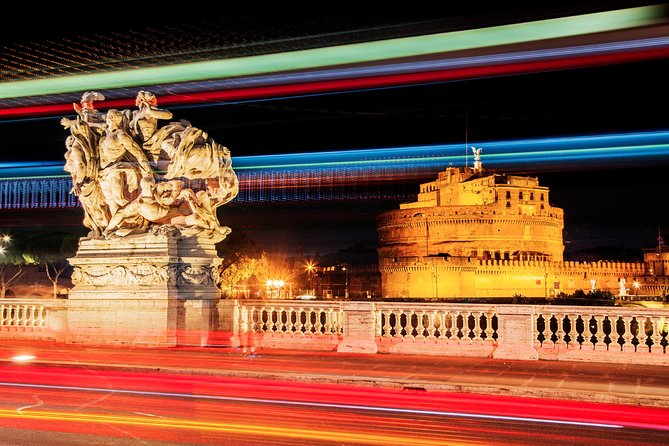
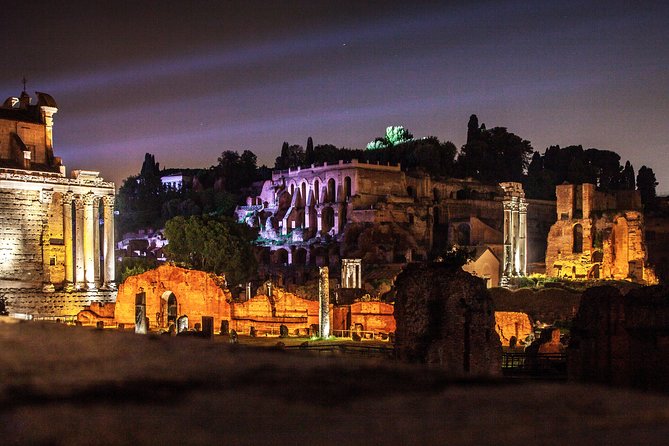
The Roman Forum receives about 30 minutes, followed by 20 minutes around Palatine Hill. These stops are less about entering the archaeological area and more about finding strong exterior views of the ancient remains and the city around them.
The guide takes an alternative approach to the usual Forum photograph. Instead of collecting only one wide view, you may work with layers: ruins in the foreground, the modern city behind them, and the illuminated Monument to Vittorio Emanuele II farther off. This kind of contrast gives a photograph a story rather than just a subject.
Palatine Hill offers several angles over a short period. The changing viewpoints help you understand how small movements can alter a composition. A tree, wall, column, or dark patch can either frame the picture or block the subject, depending on where you stand.
The drawback is that ancient ruins can be difficult to photograph at night. Some areas may be dark, distant, or partly obscured. That is exactly why instruction helps, but you should not expect every frame to be perfectly bright or sharply detailed.
The Monument and Capitoline Hill
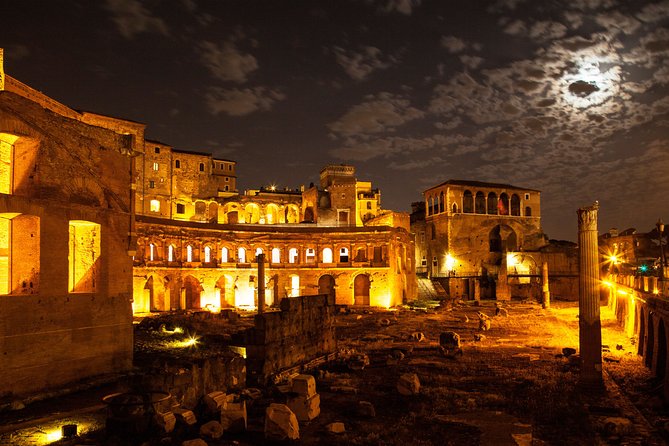
The Monument to Vittorio Emanuele II is given about 10 minutes, but the stop can be more significant than its short duration suggests. From a selected viewpoint, the monument can be paired with older Roman remains, creating a visual comparison between ancient and modern Rome.
Piazza del Campidoglio and Capitoline Hill receive about 45 minutes, making this one of the longer stops. Michelangelo’s square and the surrounding heights offer several strong lines, corners, and glimpses across the center of Rome.
This is where the guide’s emphasis on composition becomes practical. You may work on the rule of thirds, depth of field, perspective, and the idea of making a picture tell a story. If you are new to photography, these concepts are easier to understand when you can move a few steps and see the frame change at once.
The square is also a good place for a break in the visual pace. After monuments and long views, you can concentrate on geometry, surfaces, and the relationship between buildings. The stop is not simply about collecting another famous building.
Trajan’s Market and the final views
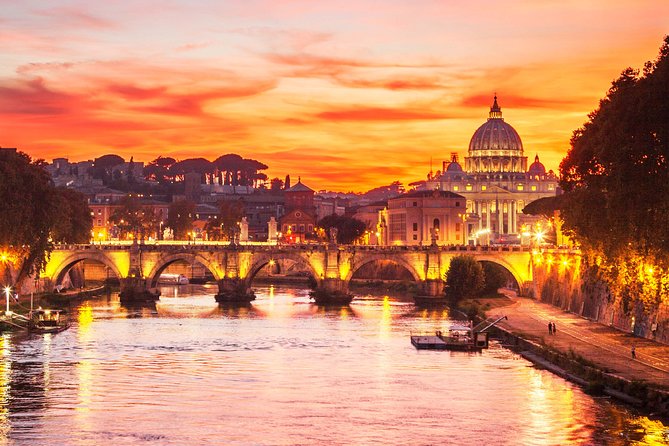
The final listed stop is Trajan’s Market and the Imperial Forums, with about 15 minutes for photographs. The guide uses viewpoints that are not always obvious from street level, giving you another chance to frame ancient Rome against its modern surroundings.
The tour is scheduled to end at the Colosseum, but a car takes you back to your hotel afterward if it is within Rome. The information is slightly unusual because the listed end point is the Colosseum while hotel drop-off is included, so confirm the exact finish arrangement when you book.
Hotel pickup is not included. You need to reach the Napoleonic Museum on your own, using public transport or another method. This is an important detail if you are staying far from the center or planning a full day of sightseeing before the workshop.
The tour is primarily a walking experience even though private vehicle transport is included. The car helps connect parts of central Rome and provides the return transfer, but you should still expect repeated stops on foot, uneven streets, and time spent standing while you frame an image.
Optional Trastevere, Pantheon, and other Rome icons
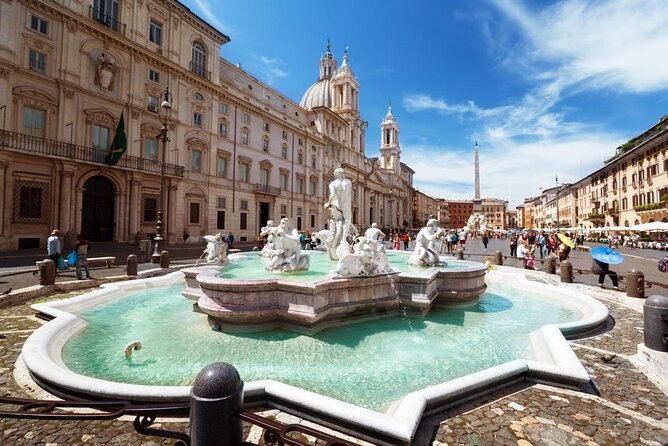
If requested, the route can include Trastevere, the Pantheon, the Spanish Steps, Trevi Fountain, or Piazza Navona. These are not guaranteed core stops, so ask before the tour if one of them is especially important to you.
Trastevere is the most distinctive optional addition because the guide can focus on lesser-used corners and glimpses away from the main routes. The Pantheon, Trevi Fountain, Spanish Steps, and Piazza Navona offer familiar subjects, but their inclusion may require tradeoffs in timing and the amount of attention given to the listed monuments.
Do not assume the tour can cover every option in four and a half hours. The more additions you request, the less time you may have at the Colosseum, Forum, or Capitoline Hill. I would choose one priority rather than asking for all five.
What you will learn about night photography
The instruction covers practical subjects such as camera setup, composition, lighting, depth of field, perspective, and the rule of thirds. You are also encouraged to think about the story inside a frame, not just the famous object in front of you.
The guide may ask you to make several attempts and offer direct corrections. That can be more useful than taking hundreds of quick pictures. You may hear advice about moving your position, simplifying the edges of the frame, holding still, or allowing the lights to guide the eye.
Beginners are welcome, but advanced photographers can still benefit from fresh viewpoints and local access knowledge. The workshop is especially good for someone who knows how to operate a camera but struggles to decide what makes a strong photograph.
You can stop for gelato, pizza, or coffee at any time. Treat that as a flexible comfort break rather than a formal food tour. It is a welcome option if you have spent the day at the Vatican or Colosseum and need a pause before continuing.
Rain does not automatically cancel the visual appeal. Wet streets can add reflections and atmosphere, though you still need to protect your camera and wear suitable clothing. The tour provider presents rainy conditions as part of the photographic experience, not as a reason to expect a dry evening.
Is the $217.69 price good value?
At $217.69 per person, this is not a cheap sightseeing transfer. You are paying for a four-and-a-half-hour workshop, a professional photographer guide, private vehicle transport, tripod use, and a group capped at four.
The price makes more sense if you want instruction rather than simple transportation. A guide who helps you improve your own pictures can be worth more than a standard city tour, especially if you bring a camera you have not mastered or rely on a phone whose night settings you rarely use.
The free place for a non-photographer friend improves the value for couples. Group discounts may also help larger bookings, although the maximum group size remains four for this experience.
You should skip it if you want a fast overview with no pauses, or if you prefer to explore independently at your own pace. You should also think twice if you dislike walking after a full day in Rome. The tour is gentle in spirit but active in practice.
Free cancellation is available up to 24 hours before the start time. Changes made inside that 24-hour window are not accepted, so keep that limit in mind when arranging dinner, airport transfers, or another evening activity.
Who should book this Rome photo workshop?
I would choose this for a beginner who wants patient guidance without joining a large class. It also suits an experienced photographer looking for unusual angles and a local teacher who can improve composition.
It works well for couples when one person loves photography and the other simply wants to see Rome at night. Families can consider it too, provided all participants are at least 12 years old and comfortable walking for several hours.
Bring your camera, extra battery if you have one, and a small water bottle. A tripod is supplied, but you may prefer your own if you have one that is easy to carry. Comfortable shoes matter more than stylish ones.
Book it if your ideal Rome evening includes famous monuments, quieter streets, practical camera help, and time to make several careful photographs. Skip it if you mainly want interior access, a fixed sightseeing route, or a quick set of snapshots from a vehicle.
FAQ
How long does the Rome Night Photo Tour last?
The experience lasts approximately four hours and 30 minutes.
What time does the tour start?
From November through March, it starts at 5 p.m. From April through October, it starts at 7:30 p.m. The start time can change according to the twilight.
Where does the tour meet?
The meeting point is the Napoleonic Museum at Piazza di Ponte Umberto I, 1, in Rome.
Is hotel pickup included?
No. Hotel pickup is not included, but return transport by car to a hotel within Rome is included after the tour.
Can someone who does not take photographs join?
Yes. A non-photographer partner or friend can accompany the paying participant free of charge.
Is the tour suitable for beginners and phone photographers?
Yes. The experience is suitable for beginners, amateurs, and advanced photographers. Instruction can also be adapted to iPhone and Android photography.
What happens if it rains?
The tour can continue in rainy weather. Rain may add reflections, atmosphere, and a different look to the photographs. Comfortable shoes and a small bottle of water are recommended.
More evening shoots around Rome
- Rhodes: E-bike Highlights Sunset or Morning Photo Tour
★ 4.9 · 351 reviews - Cappadocia Sunrise & Sunset Horse Tour with Photography
★ 4.9 · 348 reviews - Mediaeval Rhodes E-bike Highlights Photo Tour Morning/Sunset
★ 5.0 · 164 reviews - Sunset Hike and Photography Tour near Red Rock with Optional 7 Magic Mountains
★ 5.0 · 149 reviews
More Night and Astro Photography in Rome
- Tokyo by Night Photography Tour (Private Option Available)
★ 5.0 · 151 reviews - Tokyo Shinjuku Night Photo Tour with Pro Gota
★ 5.0 · 142 reviews - Private astronomy tour with sunset toast, picnic, and astrophotography
★ 4.8 · 83 reviews - Private Tour: Night Photography Tour in London
★ 5.0 · 48 reviews
Fresh shoots around Rome
- Rome : Golf cart tour & Professional Photoshoot★ 4.5 · 13 reviews
- Golf cart tour in Rome & Professional Photoshoot★ 5.0 · 2 reviews
- Professional Photoshoot in the Eternal City Rome★ 5.0 · 19 reviews
- Explore city on Vespa with Professional Photographer★ 5.0 · 3 reviews
- Exclusive Rome Vespa Tour with Professional Photographer★ 4.9 · 66 reviews
- Expert Photographer of Rome with Guide★ 5.0 · 7 reviews
- Electric Tuk-Tuk Photography Service of Rome★ 5.0 · 3 reviews
- Early morning photoshoot at The Trevi Fountain★ 4.4 · 36 reviews
Rome Photo Tours & Photoshoots, frame by frame.
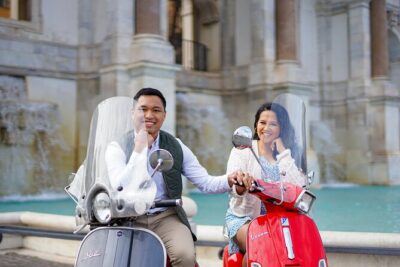
Rome Vespa Scooter Tour with Professional Photographer
Read our review →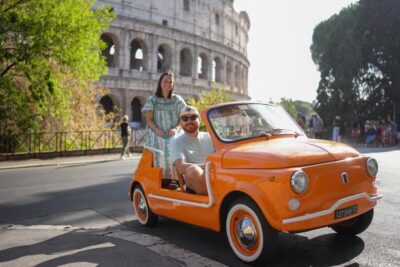
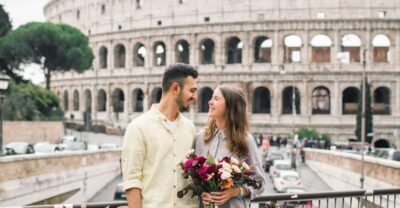
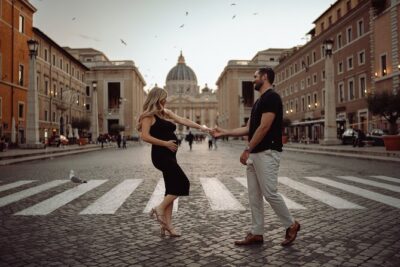
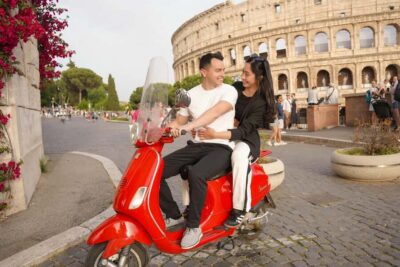
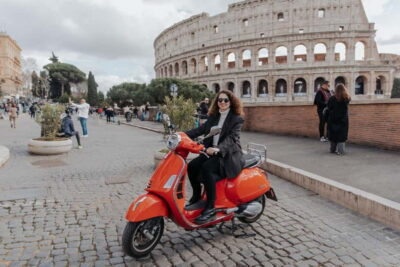
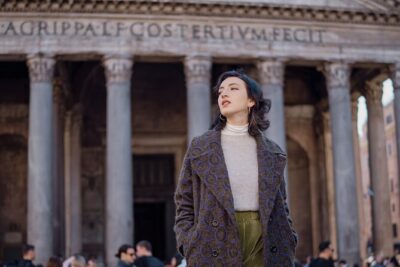
Photo Shoot in Rome with Professional Photographer
Read our review →