
Review · ICELAND
Silfra: Half-Day Snorkeling Day Trip with Underwater Photos
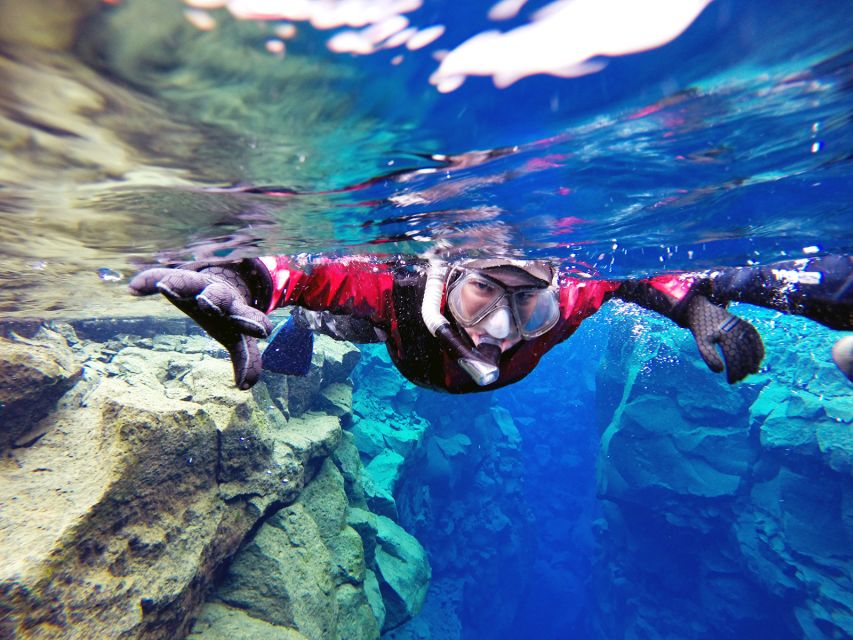
Silfra is the rare place where the geology is not just something you look at. You float through a narrow rift between the American and Eurasian plates, with visibility reported at up to 100 meters. The water is so clean that you can take a sip as you move along. I especially like the small groups of six and the patient, hands-on guides, including Doris, Anil, Wilmar, and Ines. They help with the awkward suits and keep nervous first-timers at ease.
The main trade-off is simple: this is cold-water snorkeling, and much of the three hours can involve gearing up, waiting, and walking between the parking area and the water. The $140 price is fair for the guide, equipment, small group, and photos, but you should come ready for frozen fingers or feet, a snug suit, and only about 30 minutes in the water itself.
Key points to know before booking
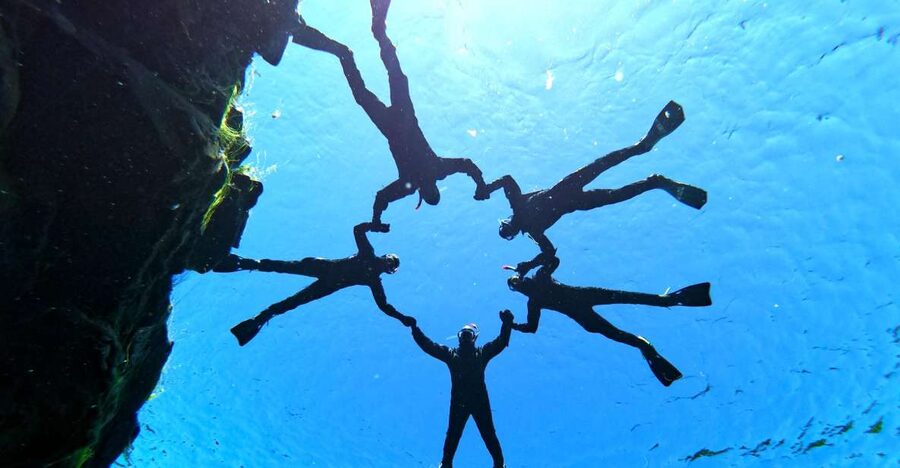
- Float between two continental plates: Silfra gives you a striking geological setting rather than a standard beach snorkeling trip.
- Expect exceptionally clear water: Visibility can reach up to 100 meters, making the blue water and rock formations easy to see.
- Choose your protection carefully: The drysuit keeps most of your body dry, while the wetsuit lets you feel the cold water directly.
- Small groups improve the experience: Groups are limited to six, so your guide can help with fitting, safety, and pacing.
- Winter needs extra planning: Bring warm layers and extra socks, since standing outside before entry can be harder than the time in the water.
- Photos and hot chocolate are included: Your guide takes underwater pictures, then serves a welcome warm drink after you change.
Why Silfra feels unlike ordinary snorkeling
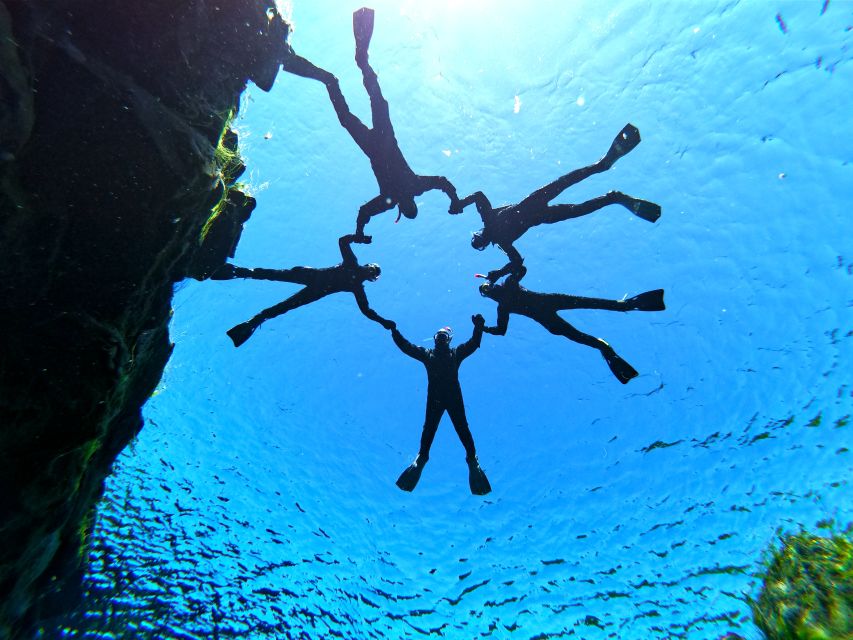
Most snorkeling trips are about fish, coral, and warm water. Silfra offers none of those familiar comforts. Its appeal is the setting: a narrow water-filled rift in Thingvellir National Park, where you move between the American and Eurasian tectonic plates.
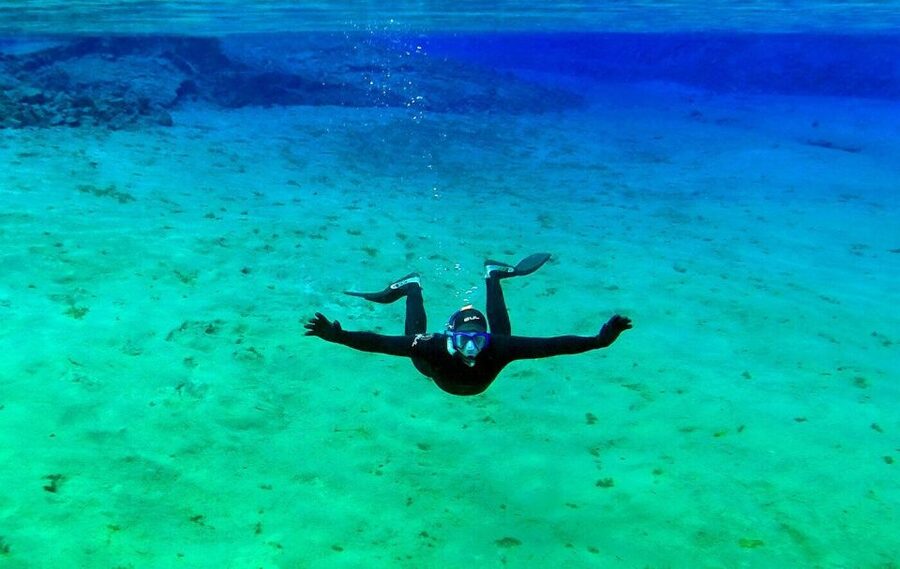
The water has an almost unreal blue color. Clear groundwater filters through underground lava rock before reaching the rift, creating the remarkable visibility that makes Silfra famous. The exact geological story is part of the experience, but you do not need a science background to appreciate it. You can simply look down through the water and see rock shapes that seem much closer than they are.
You follow a slow current through the rift. This is not a strenuous swim across open water. Your guide leads you through the route, explains how to position yourself, and helps you keep a steady pace. The current does some of the work, but you still need to swim comfortably and follow instructions.
The final stretch reaches a bright-blue lagoon often called the real blue lagoon. It is a fitting finish, although you should not expect a long, leisurely stop there. The snorkeling portion is often around 30 minutes, and one of the few sensible improvements would be more time in the lagoon area.
More snorkel trips around Iceland:
- Silfra: Fissure Snorkeling Tour with Underwater Photos
★ 4.9 · 2,731 reviews - Silfra Fissure Snorkeling From Reykjavík – Free Underwater Photos
★ 4.5 · 379 reviews - Silfra Wetsuit Snorkeling – Meet on Location | Free Photos
★ 5.0 · 376 reviews
The three-hour schedule at Silfra
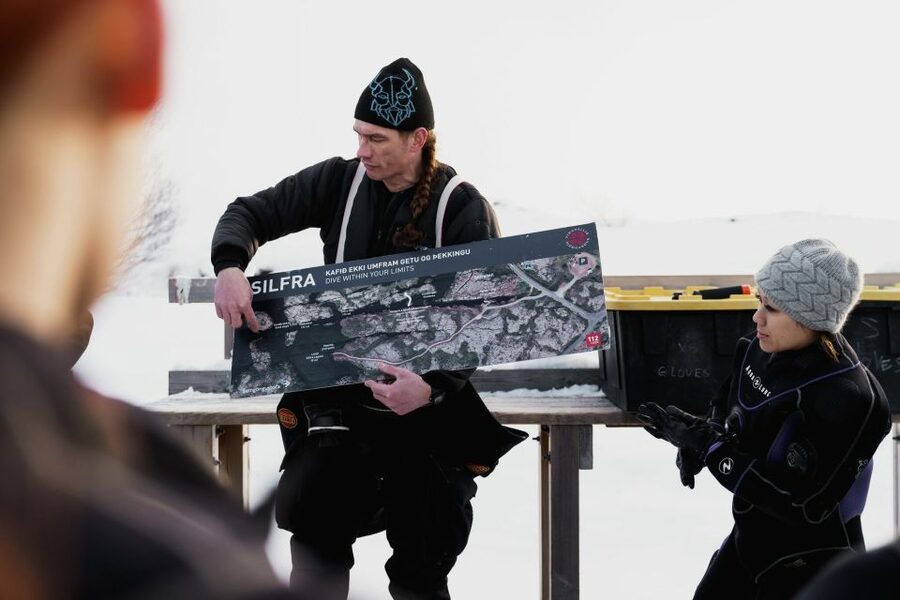
You meet the guide directly at Silfra parking in Thingvellir National Park. There is no round-trip transport from Reykjavik, so you need your own car or a separate plan for reaching the park.
The meeting point can be easy to miss. Park at Thingvellir P5, then walk about 400 yards back along the road to a smaller parking area with the snorkeling and diving vans. Allow enough time to find it without rushing. Arriving late would be especially awkward when a small group is waiting for you.
The first stage is paperwork and preparation. Every participant signs a medical waiver, and the guide checks that you can swim and feel comfortable in water. English is used throughout, so you must be able to understand the safety briefing and communicate with the guide.
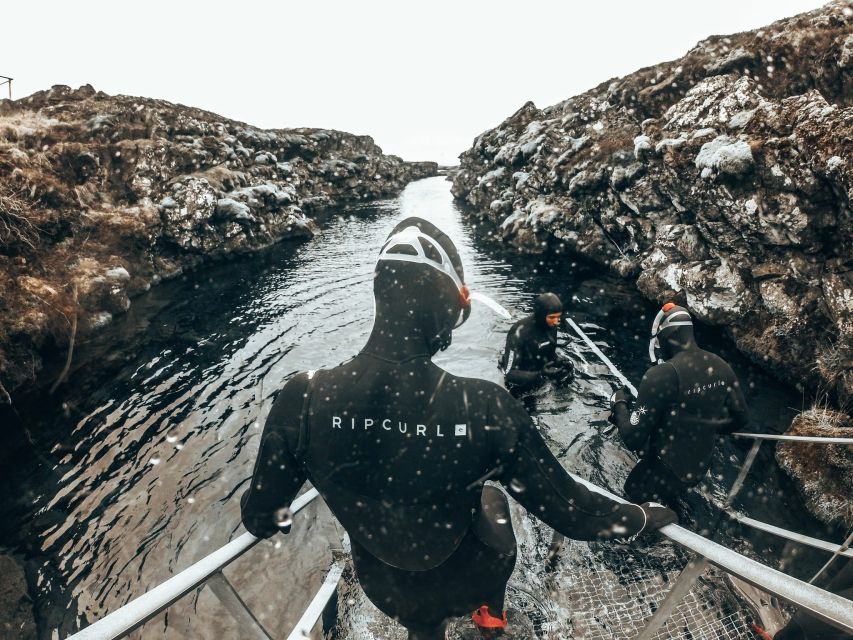
Then comes the equipment. This is the part many people underestimate. A drysuit is snug and can feel stiff around the shoulders and hips. Getting into it takes help, and the guide or support staff assist with the process. Guides such as Doris, Anil, and Wilmar receive repeated praise for being calm and patient during this stage, which matters if you are nervous or have never used a drysuit.
Once suited up, you walk to the water and receive instructions on breathing, body position, and staying with the group. You enter the rift one at a time or in small movements, depending on the group and conditions. The guide remains close, both for safety and to point out the shapes beneath you.
After the water section, you return to change. A cup of hot chocolate is included and is more than a nice extra in Icelandic weather. It gives you something warm to hold while your body gets comfortable again.
Drysuit or wetsuit: make the right choice
For most people, the drysuit is the sensible option. It keeps the water off your torso and legs, letting you focus on the blue water instead of the cold. You still feel the chill around your face, head, and hands, and your feet can become uncomfortable during the wait, but the water itself is more manageable than many first-timers expect.
Several people who went in winter found the drysuit warm enough once they wore suitable layers beneath it. One useful formula was three thin thermal layers on the legs and two shirt layers under the suit. Another practical lesson was to wear more than one layer of thermal socks. Thin socks were blamed for cold feet, while the rest of the body stayed comfortable.
The drysuit does not feel like ordinary swimwear. You may find the fit restrictive on land, and it takes some getting used to when you first enter the water. Once floating, though, the suit becomes less of a problem. Guides help adjust uncomfortable areas, including clothing that bunches up under the suit.
The wetsuit option is for people who want to feel the water directly and accept more cold. In January, one participant used a wetsuit while the rest of the group wore drysuits and stayed reasonably warm, apart from the feet. I would choose the drysuit unless you already know you enjoy cold-water swimming.
What you actually see below the surface
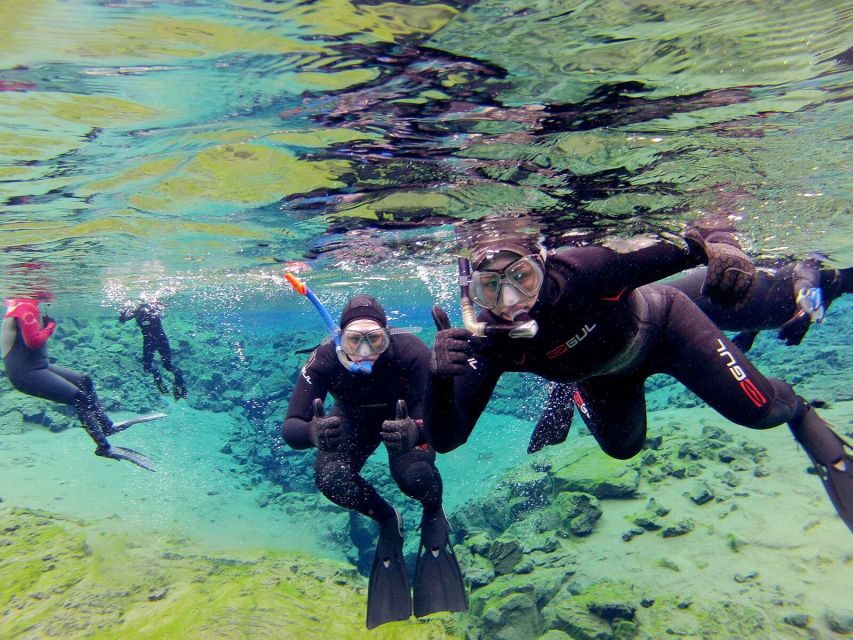
The first impression is the color. Silfra’s water shifts through clear blue tones, with visibility that can reach 100 meters. That clarity gives the rift a strange scale. You can see below you with unusual detail, yet the water can still feel vast.
The rock formations are the main visual attraction. You pass through sections of the rift and see the geological split from a position that no lookout can match. The guide leads you along the route rather than leaving you to wander, so you can concentrate on your breathing and the view.
Do not expect a busy underwater world filled with marine life. Silfra is about rock, light, water, and geology. The experience works best if you enjoy unusual natural settings and the feeling of floating through a place shaped by the Earth’s movement.
You can also taste the water. The water is exceptionally clean, and taking a small sip is one of those simple details that makes the activity memorable. It is not a separate tasting stop, just a fun reminder of how clear and pure the water is.
More half-day shoots around Iceland:
- Lake Tahoe Small-Group Photography Scenic Half-Day Tour
★ 5.0 · 649 reviews - Bangkok: Instagram Spots & Half-Day Temples Tour
★ 4.6 · 81 reviews - Cairo: Private Half-Day Pyramids Tour with Photographer
★ 4.9 · 69 reviews - Half-Day Jaipur Sightseeing Tour with Guide Option
★ 5.0 · 61 reviews
Cold, comfort, and the waiting time
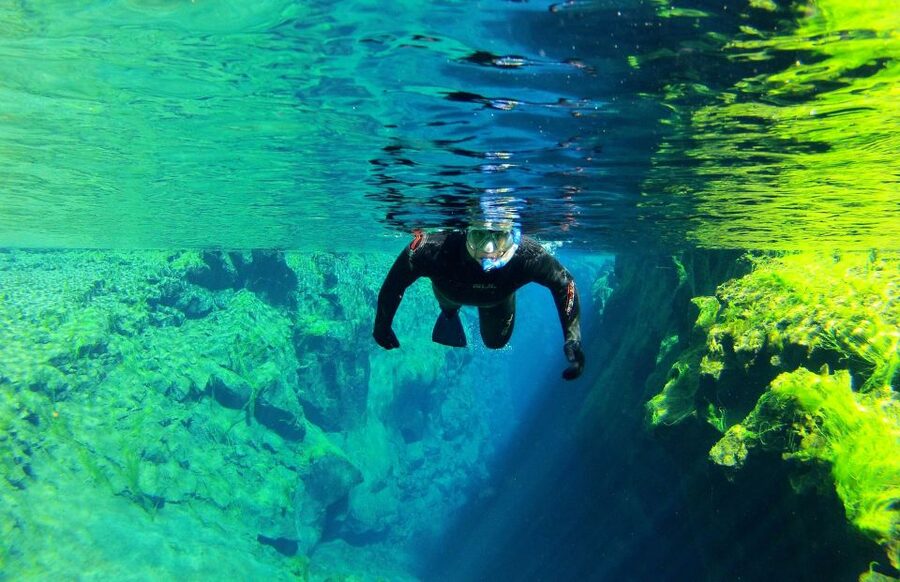
The water is around 2 degrees Celsius according to the supplied experience details and participant accounts. That sounds severe, but the drysuit changes the calculation. The hardest moment may be waiting outside in wet gear or standing with exposed hands and feet before entering.
Winter conditions show the contrast clearly. Tours have operated in temperatures as low as minus 12 degrees Celsius, and participants still reported being comfortable in the drysuit once in the water. The wait before entry, however, can be unpleasant. In January, another participant went out in minus 3 degrees Celsius and found the feet were the only real weak point.
Bring warm clothes for before and after, plus a towel, swimwear, socks, snacks, and enough thermal clothing. Eat breakfast before the activity. You do not want to face cold water, a tight suit, and a three-hour outing on an empty stomach.
The operator does not provide your warm clothing or towel. That small omission can become a big one if you arrive in light sightseeing clothes. Pack a proper dry change of clothes and a warm outer layer for the walk back to the van.
How the guides shape the experience
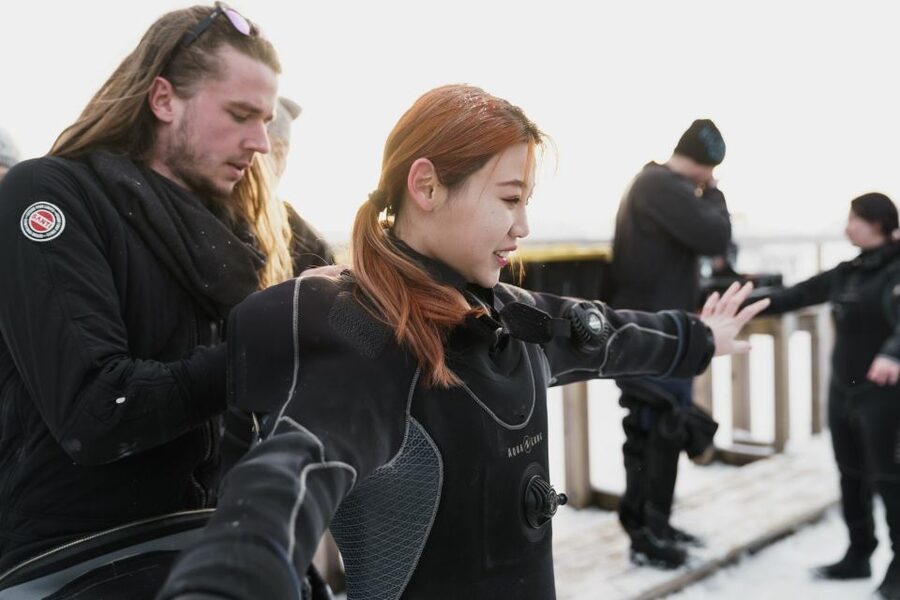
The guide matters here more than on a simple scenic walk. You need help with the suit, clear instructions in the water, and someone who notices if you are uncomfortable.
Doris is praised for patient instruction and careful support with first-time snorkelers. Anil is noted for helping people feel calm, answering questions, and offering hot chocolate to someone who came along but did not take part. Wilmar is described as funny, kind, patient, and professional. Ines receives praise for making a first snorkeling experience feel safe and manageable.
Other named guides include Arnold, Hugo, Niko, Oliver, Cristo, Gretar, Kevin, Fernando, and Edgar. The repeated pattern is hands-on assistance rather than a rushed, distant briefing. That is particularly valuable for older participants and anyone who has never worn a drysuit.
The small group limit of six is a real advantage. You are less likely to be lost in a crowd, and the guide can keep track of each swimmer. One useful suggestion is to stay near the guide during explanations. If you drift to the back, it may be harder to hear every detail, especially when the group is spread along the water.
Photos included, with a realistic expectation
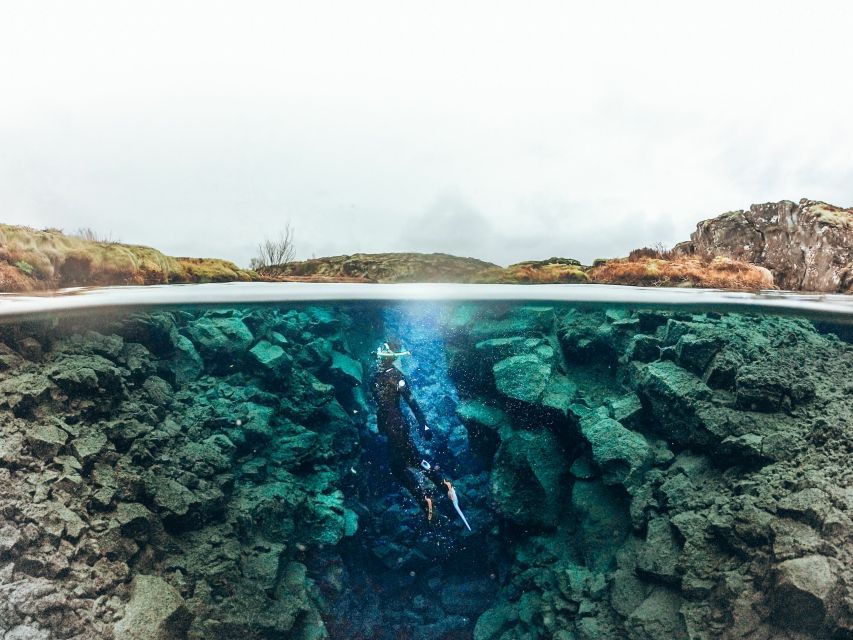
The guide takes photos during the snorkeling section, and they are included in the price. This is a strong benefit because taking your own phone into a drysuit is not practical, and you will want both underwater and group images from such an unusual setting.
The quality can vary. Some people receive excellent shots with plenty of pictures, while others find the images less impressive than expected. The guide is managing a group, watching safety, and carrying the camera, so this is not a private photography session.
You can rent a GoPro for 6,900 ISK if you want more control over your own footage. I would treat the included photos as a welcome record of the outing rather than the main reason to book. The experience itself is the value; the images are a useful bonus.
Is $140 good value?
At $140 per person, this is not a cheap add-on. Iceland is expensive, and the price reflects specialist cold-water equipment, a trained guide, a small group, site logistics, photo service, and the unusual location.
The most important value question is how much you care about the setting. If you are looking for a long snorkeling session, warm water, or abundant wildlife, this will feel costly. The actual time in the water may be around 30 minutes, with the rest of the three hours spent preparing, walking, briefing, changing, and warming up.
If you want a rare geological experience that fits well into a day around the Golden Circle, the price is easier to justify. You are not paying only for a swim. You are paying for access, equipment, guidance, and the chance to float through one of Iceland’s most unusual natural sites without owning specialist gear.
The free photos and hot chocolate help, but they do not transform the price. I would book it if Silfra is high on your Iceland list and you are comfortable accepting a short water session inside a longer preparation period.
Who should book this snorkeling trip?
This activity suits confident swimmers, first-time snorkelers, couples, solo visitors, and families with children aged 12 or older who meet the physical requirements. You do not need a diving certificate. You do need to be calm in the water and able to follow directions in English.
It is also a good choice for people who want an active stop during a Golden Circle day. The three-hour duration leaves room for other sights, though you should not schedule a tight connection afterward. Weather can cancel the activity, in which case you receive a refund or an alternative date.
The physical limits are important. The supplied conditions list a height range of 150 to 200 centimeters and a weight range up to 120 kilograms. The information gives two lower weight figures, 50 kilograms in the general requirements and 45 kilograms in the suitability notes, so check the current operator rules when booking if you are near the lower limit.
The activity is not suitable for pregnant women, people with heart problems, wheelchair users, or people with mobility impairments. Glasses cannot be worn under the mask, so contact lenses or a prescription diving mask are required.
Should you book Silfra?
Book this if you want an unusual, highly visual Iceland activity and are willing to trade comfort for the chance to float between tectonic plates. The clear water, small group, careful guides, and included photos make it one of the more distinctive outdoor outings near Reykjavik.
Skip it if cold water makes you anxious, if you dislike snug equipment, or if you expect a long snorkeling session. Bring serious thermal layers, extra socks, breakfast, a towel, and a warm change of clothes. Choose the drysuit, stay close to your guide, and keep your schedule flexible around the three-hour outing.
For the right person, Silfra is worth the cost. Not because it is relaxing, and not because it is long, but because very few activities let you see Iceland’s geology from inside the water.
FAQ
Where does the Silfra snorkeling tour meet?
Meet at the Silfra parking area in Thingvellir National Park. Park at Thingvellir P5, then walk about 400 yards back along the road to the smaller parking area with the snorkeling and diving vans.
Is transportation from Reykjavik included?
No. Round-trip transportation from Reykjavik is not included, so you must arrange your own way to Thingvellir National Park.
How long does the activity last?
The full activity lasts three hours. This includes meeting the guide, completing the preparation, putting on the equipment, snorkeling, changing, and warming up afterward.
How long do you spend in the water?
The snorkeling section is about 30 minutes according to the supplied activity details. The exact time can vary with conditions and the pace of the group.
Do I need to be a certified diver?
No. You do not need a diving certificate. You must be able to swim and feel comfortable in the water.
Is the water very cold?
Yes. The water is around 2 degrees Celsius, but the drysuit keeps most of your body dry. Your face, hands, and feet can still feel cold, especially while waiting outside before entering.
What should I bring?
Bring warm clothing, a towel, snacks, socks, swimwear, and a medical statement if required for your circumstances. Eat breakfast before the activity and bring extra thermal socks for cold weather.
Are photos included?
Yes. Free photos of the experience are included, and the guide takes pictures during the snorkeling section. A GoPro can also be rented for 6,900 ISK.
Can children join the tour?
Children must be at least 12 years old and accompanied by an adult. All participants must also meet the swimming, height, and weight requirements.
What happens if the weather cancels the activity?
The activity can be canceled because of weather conditions. If that happens, you receive a refund or an alternative date. You can also cancel up to 24 hours in advance for a full refund.
More one-day photo trips around Iceland
- From Yerevan: 6 Most Instagramable Armenian Sights Day Trip
★ 4.3 · 304 reviews - Day Trip to Chefchaouen from Fez (instagram /Photos)
★ 5.0 · 180 reviews - Birding & Photography Day Trip to Doñana from Seville
★ 5.0 · 61 reviews
Fresh shoots around Iceland
- Jökulsárlón: Glacier Hike, Ice Cave, and Photoshoot Package★ 5.0 · 4 reviews
- Iceland: Ice Cave Captured with Professional Photos★ 4.8 · 31 reviews
- Reykjavik: Northern Lights Tour with Private Photographer★ 4.0 · 10 reviews
- Akureyri: Hunt for the Northern Lights Photography Tour★ 3.2 · 9 reviews
- Akureyri: Northern Lights Photography Tour★ 4.1 · 37 reviews
- Silfra Wetsuit Snorkeling Tour with Underwater Photos – From Reykjavik★ 5.0 · 123 reviews
- Private Silfra Snorkeling 6 p. group – Meet on Location – with Underwater Photos★ 5.0 · 157 reviews
- Reykjavík: Landmannalaugar Hike and the Valley of Tears★ 4.8 · 281 reviews
Iceland Photo Tours & Photoshoots, frame by frame.
#1 Northern Lights Tour In Iceland from Reykjavik with PRO photos
Read our review →
Silfra: Fissure Snorkeling Tour with Underwater Photos
Read our review →
Reykjavik: Glacier Hike, Waterfalls and Black Sand Beach
Read our review →
Snorkel the Silfra Fissure-Meet on Location (Free Photos & Cocoa)
Read our review →
Northern Lights: 4×4 Adventure with Treats, Photos & Cocoa
Read our review →
Reykjavik: Northern Lights Tour w/Pro Photos – Small Group
Read our review →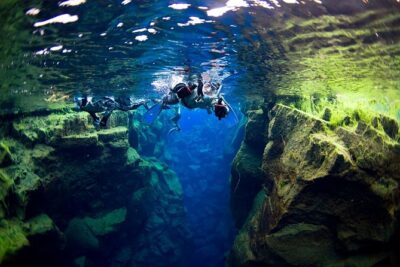
Silfra Fissure Snorkeling From Reykjavík – Free Underwater Photos
Read our review →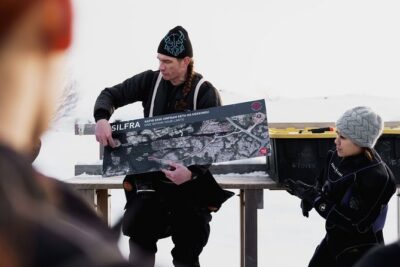
Silfra Wetsuit Snorkeling – Meet on Location | Free Photos
Read our review →This shoot also appears in