Review · KYOTO
Kyoto Tea Ceremony and Samurai Photo Session
Kyoto’s tea culture gets a playful twist here. Inside a 100-year-old machiya, you learn to whisk matcha, taste seasonal wagashi, make a creamy latte, and finish with photos in samurai armor. It is a compact way to connect with Japanese tradition without committing half a day to a formal ceremony.
I like two things right away: you make the tea instead of simply watching, and the instructor Maya brings humor and clear English to the lesson. The small group, capped at 10, also gives the class a more personal feel.
The main consideration is that the core tea lesson takes about 50 minutes, while the full activity lasts approximately 1 hour 20 minutes. The samurai photo session is fun and memorable, but it gives the experience a theatrical finish rather than a strictly formal tea ceremony.
Key points to know before booking
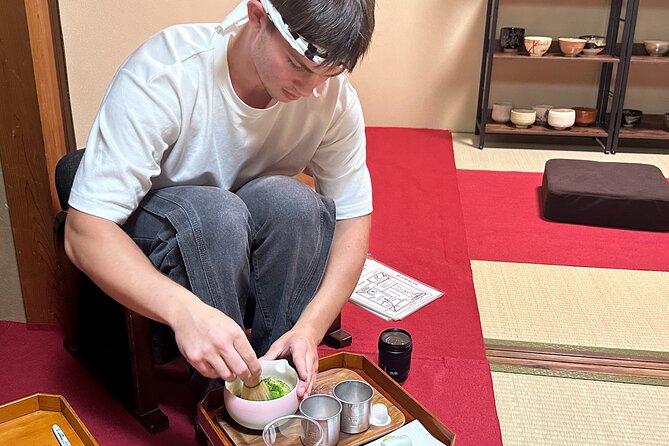
- A hands-on tea class: You prepare traditional matcha yourself, then make a modern Kyoto-style matcha latte.
- A 100-year-old machiya setting: The townhouse gives the lesson a sense of place that a hotel classroom cannot match.
- Seasonal wagashi included: You pair the tea with traditional Japanese sweets.
- Samurai armor photos: The final costume session adds a playful souvenir and plenty of picture opportunities.
- Small groups of up to 10: The size should make it easier to follow the demonstration and ask questions.
- Convenient central meeting point: You start and finish at Samurai Gyoza Factory Kyoto, near public transportation.
A short Kyoto activity with two very different moods
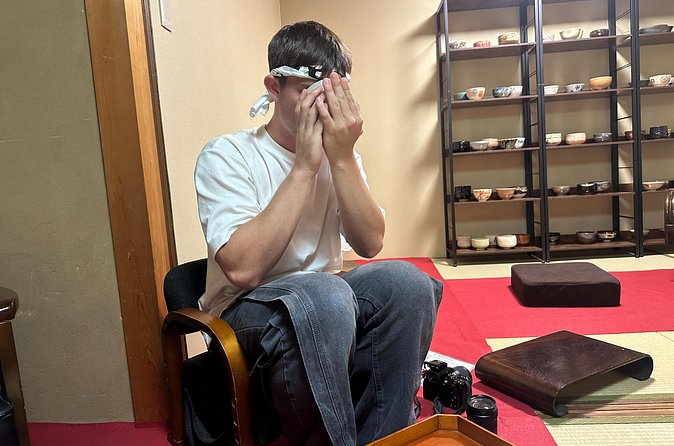
This experience works because it moves through three moods in a short time. First comes quiet attention: the history, manners, and rhythm of tea ceremony. Then the mood becomes more relaxed as you prepare a matcha latte. Finally, it turns into a photo session with samurai armor.
That variety makes the class especially useful if you have limited time in Kyoto. You get a cultural lesson, something to eat and drink, and a distinctive photograph without piecing together separate activities.
The activity is listed at $71.74 per person. That is not the cheapest way to drink matcha in Kyoto, but you are paying for instruction, ingredients, sweets, the old townhouse setting, and the costume photographs. If you mainly want a cup of tea, a café will cost less. If you want a short, organized cultural activity with participation and a souvenir-style finish, the price is more reasonable.
The full activity lasts approximately 80 minutes, though the tea ceremony and matcha portion is described as taking about 50 minutes. Allow the full time when planning your day. The extra minutes matter because changing into armor, arranging photographs, and moving between parts of the lesson should not be rushed.
More Kimono and Costume Photoshoots in Japan
- Tokyo: Kimono Dressing, Walking, and Photography Session
★ 4.9 · 427 reviews - Kyoto: Maiko Makeover and Photoshoot Experience
★ 4.7 · 239 reviews - Kyoto: Tea Ceremony with Kimono and Photoshoot
★ 4.9 · 90 reviews
Entering the 100-year-old machiya
You meet at Samurai Gyoza Factory Kyoto, at 230-1 Kamimyōkakujichō in Nakagyo Ward. The activity ends at the same place, which keeps the logistics simple. It is near public transportation, so you do not need to arrange a special transfer across Kyoto.
The traditional townhouse is an important part of the experience. A machiya is not just a backdrop. Its narrow, historic style helps explain why Japanese tea customs pay so much attention to space, movement, objects, and quiet. You get a stronger sense of occasion here than you would in a modern meeting room.
Still, keep your expectations measured. This is a short cultural workshop, not a full formal tea ceremony lasting several hours. You will learn about the customs and watch a demonstration, but the format is designed to be friendly and accessible rather than highly ceremonial.
That is a good choice for most first-time visitors. Formal tea etiquette can seem intimidating if you do not know where to sit, how to handle the bowl, or when to bow. Here, the instructor explains the process before asking you to try it.
Learning the story behind matcha
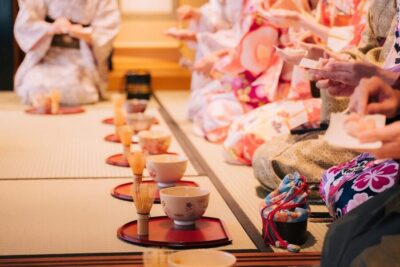
The class begins with an explanation of tea ceremony history and its focus on mindfulness. You are not simply shown a recipe. You learn why the preparation is deliberate and why each moment matters.
This context gives the whisking exercise more meaning. Matcha is made from powdered green tea, so you do not steep and remove leaves as you would with ordinary tea. You combine the powder with hot water and whisk it until the surface becomes smooth and lightly frothy.
The teaching style is one of the strongest parts of the activity. Maya is repeatedly described as clear in English, patient, funny, and encouraging. That combination matters. An instructor can know the steps perfectly and still make a beginner feel awkward. A warm teacher makes it easier for you to try, make mistakes, and ask basic questions.
You can also expect practical guidance rather than a lecture. The class covers the history and spirit of tea ceremony, then shows you how the process works before you attempt it. That order is helpful because you understand the purpose before handling the tools.
If you have never tasted matcha prepared in the traditional way, expect a flavor that is stronger and more earthy than a sweet café drink. The quality of the matcha is emphasized, and the class lets you taste it in a straightforward form before changing it into a latte.
Making your own bowl of matcha
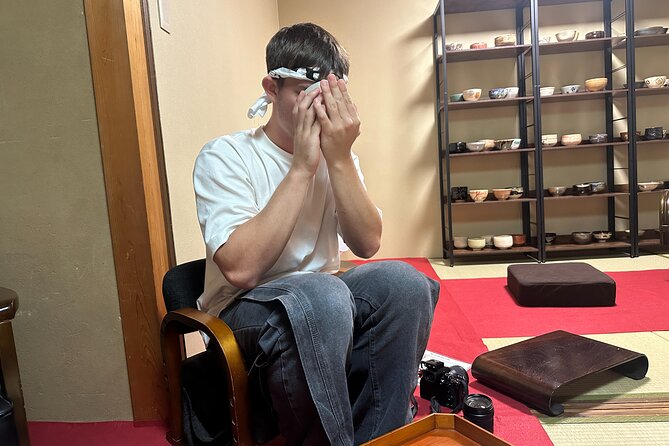
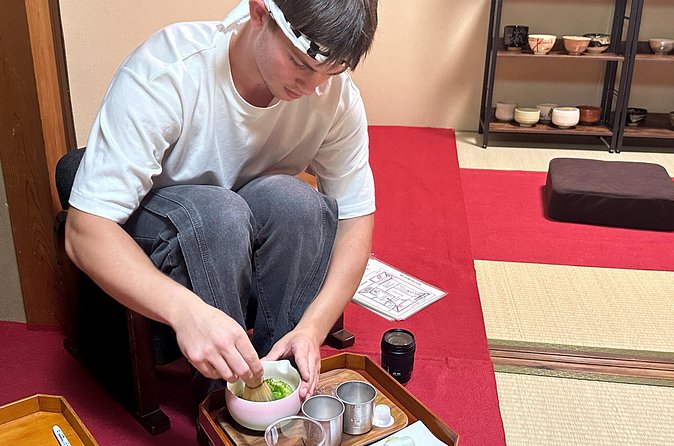
The hands-on part is the heart of the activity. After watching the instructor, you make your own matcha. You get to handle the process rather than taking a ceremonial seat and simply observing.
For beginners, this is where the class earns its price. You leave with a basic method you can repeat at home, along with a better idea of how matcha should look and taste. The instructor’s patient approach is particularly useful if your first whisking attempt is uneven.
The lesson also encourages participation from people who may not consider themselves tea experts. You do not need prior knowledge, and the format is designed for curious newcomers. The teaching stays approachable and lighthearted, rather than treating every movement as a test.
There is a useful balance here. You get a taste of traditional preparation, but the class does not pretend to turn you into a tea master in one sitting. Think of it as a well-explained introduction that gives you enough skill to continue experimenting at home.
Same backdrop, another way to frame it:
- Osaka: Sumo Stage Show with Bento or Snack + Fight & Photo
★ 4.3 · 364 reviews - Best Go Kart Experience in Shibuya Crossing with Iconic Photos
★ 5.0 · 348 reviews - Tokyo Ryogoku Sumo Morning Practice + Photo Shoot with Wrestlers
★ 4.5 · 277 reviews - Daikoku Car Club Temporary Membership
★ 4.5 · 275 reviews
Seasonal wagashi and the sweet side of the lesson
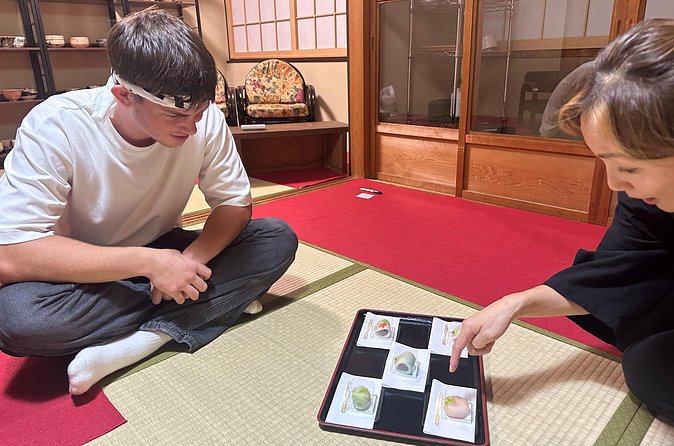
Seasonal wagashi, traditional Japanese sweets, are served with the tea. These small confections are often designed to balance the bitterness of matcha, and their seasonal connection is part of Japanese food culture.
The sweets are more than a snack between activities. They show how tea ceremony considers the entire setting, not just the drink. Flavor, appearance, season, and presentation all have a role.
This is also a helpful moment for anyone who finds straight matcha too intense. The wagashi provides a gentle contrast, making the tea easier to appreciate. If you prefer sweet drinks, you may find the traditional matcha less immediately appealing than the latte, but tasting both lets you compare them properly.
The food element is modest, not a meal. You should book this for the cultural lesson and tasting, not as a replacement for lunch. It works well as a morning or afternoon stop between sightseeing plans.
Making a Kyoto-style matcha latte
After the traditional preparation, the class shifts into a more modern form: a creamy matcha latte. This change in style keeps the session from feeling stiff and gives you a drink that many people find easier to enjoy.
You learn how the latte is made, and a recipe is provided so you can try it at home. That is a practical touch. Instead of leaving with only a photograph, you take away a simple way to repeat part of the experience in your own kitchen.
The latte also creates a useful comparison. Traditional matcha lets you notice the tea’s bitterness and texture. Milk softens those qualities and makes the drink smoother. By preparing both, you can decide which style suits you.
I like this modern addition because it respects the old practice without treating tradition as something frozen. The class shows how matcha can be part of a formal ritual and an everyday café drink. That is a more useful lesson than presenting Japanese tea culture as something you can only observe from a distance.
Finishing in samurai armor
The final stage is the most playful. You get the chance to wear authentic samurai armor for photographs. The costume session changes the pace completely, moving from careful tea preparation to a bold visual souvenir.
This part will appeal to families, friends, and anyone who likes photographs with a strong sense of place. It also gives the experience a memorable ending. Your pictures will look very different from the usual Kyoto temple snapshot.
Be aware of the tone. The armor is a photo opportunity, not a historical reenactment or martial arts lesson. The connection between tea ceremony and samurai imagery is theatrical, and some people will find that contrast charming while others may prefer a more serious cultural program.
For most people, the change in mood is part of the fun. Kyoto offers many quiet temples and polished gardens. A short activity that ends with samurai armor gives your itinerary a little humor and variety.
There are also plenty of photo opportunities throughout the class. If you want specific poses or group photographs, it is sensible to ask the instructor during the session. The class is designed to be interactive, so you should not feel limited to watching from the side.
Group size, language, and pace
The maximum group size is 10 people. That is small enough for a class setting and large enough to create some energy, especially if you come with friends or family.
A group of 10 can still feel busy during the armor photographs, particularly if everyone wants several pictures. The exact pace may depend on how many people attend and how much time the instructor spends answering questions. The small-group limit is helpful, but it does not mean you will receive a private lesson.
English is available, and Maya is specifically praised for speaking it well and explaining the customs clearly. That is important for a subject with unfamiliar gestures and vocabulary. You want instructions that are easy to follow before handling hot water, tea tools, or costume pieces.
The tone is friendly and informal. The instructor’s humor keeps the atmosphere relaxed, which is useful if you worry about making an etiquette mistake. At the same time, the class still treats the tea tradition with respect.
Who will get the most from this activity
I would recommend this experience to first-time visitors who want a manageable introduction to Japanese tea culture. It is also a good match for anyone who prefers learning by doing rather than sitting through a long presentation.
You are likely to enjoy it if you want:
- A short cultural activity between major Kyoto sights
- Clear English instruction
- A chance to taste both traditional matcha and a latte
- A small serving of seasonal wagashi
- A memorable photo in samurai armor
- A recipe you can use after returning home
Families and groups of friends should appreciate the mix of learning and photography. The cheerful teaching style makes the activity less formal than a strict tea ceremony, and the armor adds an easy point of excitement for younger participants.
Tea enthusiasts will appreciate the chance to use good-quality matcha and learn the basic preparation. Still, someone already trained in formal tea ceremony may find the class introductory. The value here is access and participation, not advanced instruction.
You may want to skip it if you are seeking a long, highly formal ceremony with extended etiquette instruction. You may also prefer a simpler café visit if your main goal is only to drink matcha at the lowest possible cost.
Practical details that affect your decision
The activity uses a mobile ticket, and confirmation is provided when you book. You start and finish at Samurai Gyoza Factory Kyoto, so there is no separate drop-off point to find afterward.
The meeting address is 230-1 Kamimyōkakujichō, Nakagyo Ward, Kyoto, postal code 604-0025. Since the location is near public transportation, it should fit neatly into a Kyoto sightseeing day, but you should still allow time to reach the meeting point.
This activity is often booked well in advance, with an average booking lead time of 72 days. That suggests you should reserve early if your Kyoto dates are fixed, especially if you need a particular departure time.
Free cancellation is available when you cancel at least 24 hours before the start time. Cancellations or changes made less than 24 hours before the activity are not refunded or accepted. The deadline follows local Kyoto time, so check the clock carefully if you are changing plans from another time zone.
Should you book the Kyoto tea and samurai experience?
Book it if you want an easy, well-paced introduction to matcha with real participation. The 100-year-old machiya, clear instruction, seasonal wagashi, homemade latte, and samurai photographs give you more variety than a simple tea tasting.
The $71.74 price makes the most sense when you value the full package. You are not only buying a drink. You are paying for a lesson, ingredients, sweets, a traditional setting, a recipe, and a costume photo session.
Skip it if you want a serious, extended tea ceremony or if you are trying to keep activity costs very low. For everyone else, especially first-time visitors and families, this is a practical Kyoto choice that combines tradition with a bit of good-natured fun.
FAQ
How long does the Kyoto tea ceremony and samurai photo session last?
The full activity lasts approximately 1 hour and 20 minutes. The tea ceremony and matcha lesson itself is described as taking about 50 minutes, with the remaining time covering the rest of the experience, including the samurai armor photographs.
Where does the activity begin and end?
It begins and ends at Samurai Gyoza Factory Kyoto, located at 230-1 Kamimyōkakujichō, Nakagyo Ward, Kyoto, 604-0025, Japan.
How many people can join the activity?
The maximum group size is 10 people.
Is the experience available in English?
Yes. The instructor Maya is specifically noted for explaining the tea ceremony clearly in English.
What is included in the experience?
You learn to prepare traditional matcha, taste seasonal wagashi, make a Kyoto-style matcha latte, and take photographs wearing samurai armor.
Can I cancel for a full refund?
Yes, if you cancel at least 24 hours before the scheduled start time. Cancellations or changes made less than 24 hours before the start time are not refunded or accepted.
Fresh shoots around Japan
- Kamakura Tour with Pro Photographer: Anime Train & Fuji view★ 5.0 · 2 reviews
- Asakusa Kimono/Yukata Rental & Photography_Tsutsuji★ 5.0 · 12 reviews
- Kanazawa: Private Photoshoot with Professional Photographer★ 5.0 · 2 reviews
- Fukuoka: Private Photo Session with a Local Photographer★ 5.0 · 3 reviews
- From Miyakojima: 1Irabu and Kurima Islands Guided Photo Tour★ 5.0 · 2 reviews
- Osaka Dotonbori Night Photoshoot Private | Pro Photographer★ 4.5 · 6 reviews
- ASAKUSA: Kimono Portrait tour by pro photographer★ 5.0 · 2 reviews
- Asakusa Kimono Photography Tour★ 5.0 · 8 reviews
Kyoto Photo Tours & Photoshoots, frame by frame.