Review · KYOTO
Kyoto: Tea Ceremony with Kimono and Photoshoot
A kimono photoshoot is easy to find in Kyoto. What makes this experience more worthwhile is that you also learn the meaning and movements behind a Japanese tea ceremony, then prepare your own matcha rather than simply posing in borrowed clothes. The 90-minute visit takes place at either Nishiki Market or Gion.
I like the calm English demonstration and the chance to choose a kimono color and hair accessories. I also like that you receive three professional photos, while still having time to take your own pictures. The main drawback is timing: arrive more than 10 minutes late and you cannot join or receive a refund, and one booking reported a wait before the ceremony began.
Key Points
- Choose between Nishiki Market and Gion: Select the correct shop when booking, since you cannot use the other location.
- Dress in a traditional kimono: Staff help you choose clothing and, where applicable, hair accessories before the ceremony.
- Learn by watching first: An English-speaking tea master explains the ceremony and demonstrates purification and preparation.
- Make matcha yourself: You prepare green tea and eat it with Japanese sweets.
- Receive three professional photos: The photos give you a polished memento beyond casual phone snapshots.
- Keep the kimono on afterward: You may stroll around Kyoto, but return it by 6:00 PM at Nishiki Market or 5:00 PM in Gion.
A Kimono Experience With More Than a Photo Op
Kyoto offers plenty of costume rental shops, but this experience adds a cultural lesson to the dressing and photography. You do not simply put on a kimono, pose, and leave. You watch an English explanation of the tea ceremony, learn about its purpose, and then take part by making matcha.
That difference matters. If you want a simple outfit rental, this is not the right product because the activity cannot be booked as kimono dressing only. If you want a compact introduction to Japanese customs with a souvenir photo session, the combination makes good sense.
The setting is designed to be friendly rather than intimidating. The tea master explains what is happening in English and guides you through the process. One highly praised instructor is Mami, who is described as kind and well informed about Japanese culture. The small group, limited to 10 people, should also make it easier to follow the demonstration than in a large class.
More Kimono and Costume Photoshoots in Japan
- Tokyo: Kimono Dressing, Walking, and Photography Session
★ 4.9 · 427 reviews - Kyoto: Maiko Makeover and Photoshoot Experience
★ 4.7 · 239 reviews - Kyoto Tea Ceremony and Samurai Photo Session
★ 5.0 · 70 reviews
Arriving at Nishiki Market or Gion
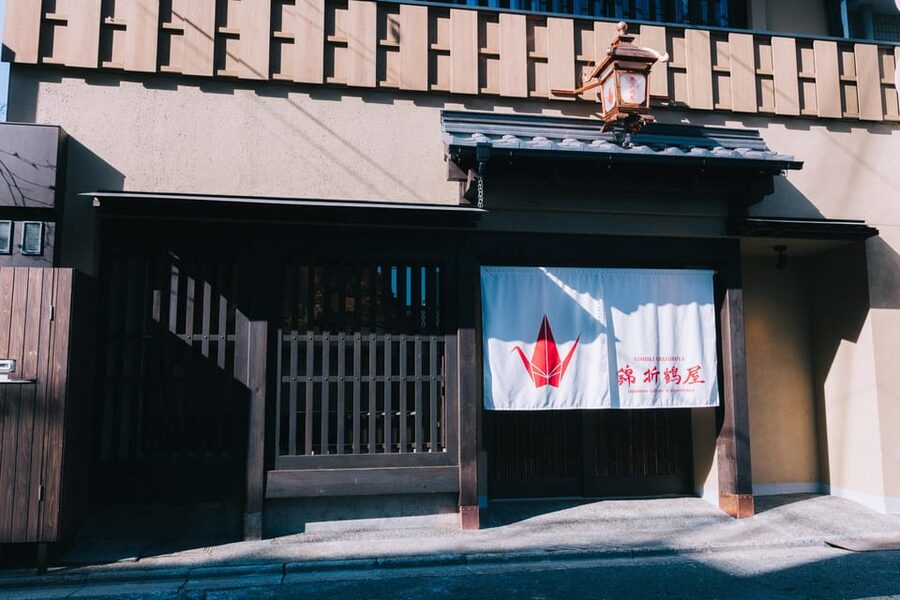
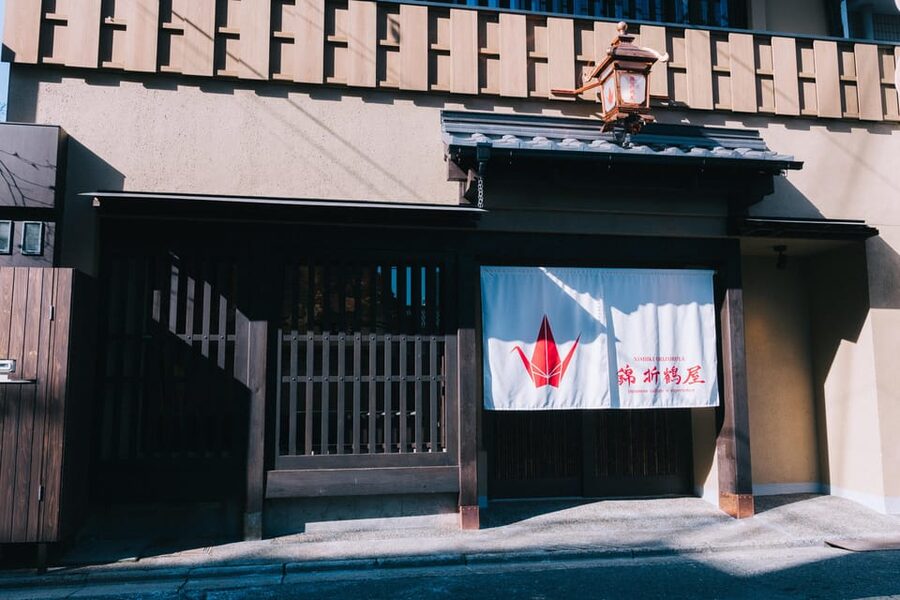
You have two location choices: Nishiki Market and Gion. Your meeting point depends on the option you book, so check the name and address carefully before leaving. This is not a minor detail. Arriving at the wrong shop means you cannot join the activity.
The two choices also suit different Kyoto plans. Nishiki Market works well if you are spending the day near the central shopping streets and food stalls. Gion fits naturally with a visit to Kyoto’s traditional entertainment district. The activity information does not promise a particular outdoor route, so think of the post-ceremony stroll as extra time in the neighborhood, not a guided walking tour.
Plan to arrive early. The operator does not accept participants more than 10 minutes after the start time, and no refund is available in that situation. One booking at 2:00 PM reported reaching the shop at 1:55 PM but waiting until 3:00 PM for the ceremony. That suggests the schedule can include a short delay, but you still need to be present before the official start.
Choosing a Kimono and Getting Dressed
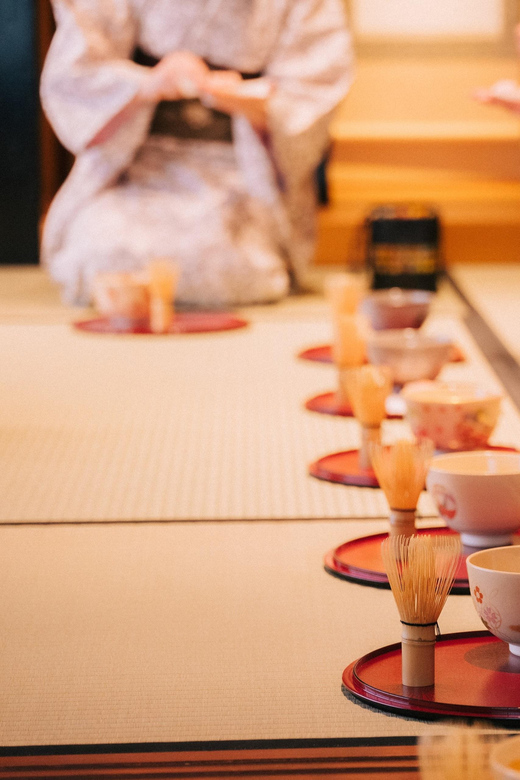
The visit begins with changing into a kimono. Staff prepare a suitable set in advance, so you must provide each participant’s height and gender before the appointment. This is practical information, not paperwork for its own sake. Without those details, the shop may not have the right clothing ready.
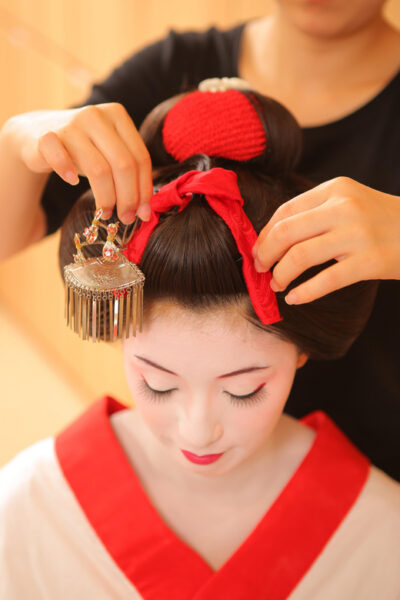
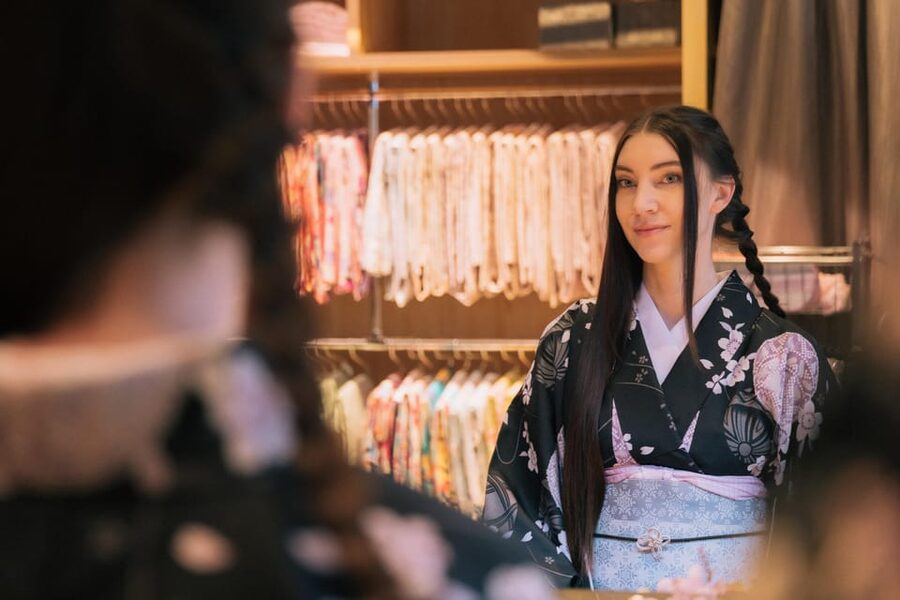
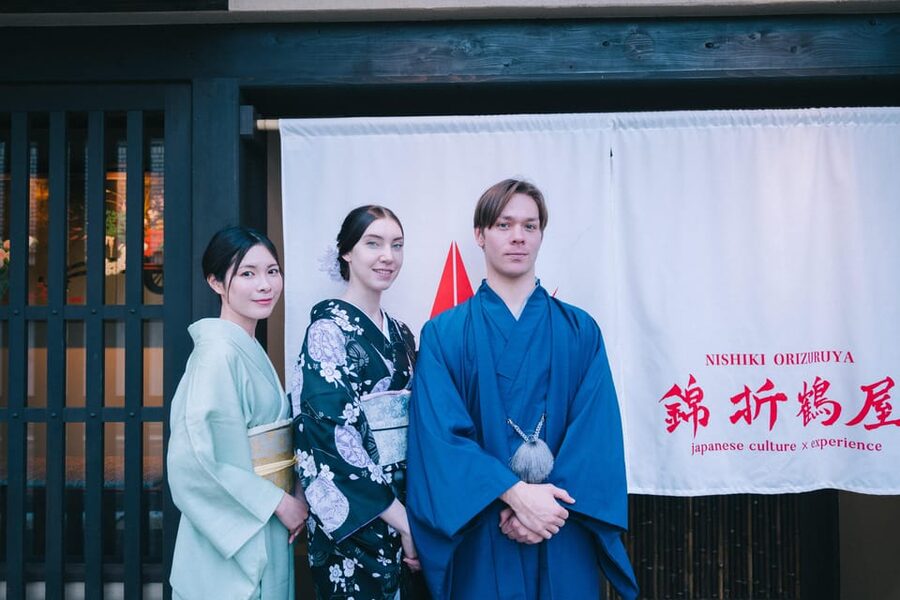
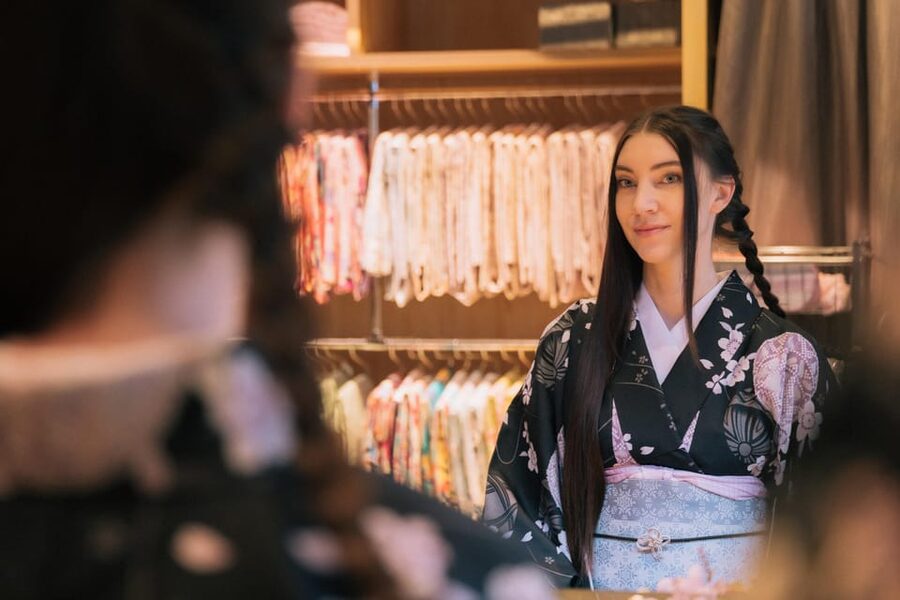
Based on the experience details, you can choose the color of the kimono fabric. Female participants may also select hair accessories. The dressing process is handled by the staff, allowing you to focus on the look instead of trying to tie a complicated outfit yourself.
The clothing is central to the experience, but it is not merely a costume for a photograph. Wearing it gives you a better sense of the formal pace of the tea room and the careful movements involved. You will need to remove your shoes indoors, and smoking is not allowed.
If you are traveling with children, note that the activity is not suitable for anyone under five. It is also not suitable for wheelchair users. The supplied information does not give details about changing-room layout or support for other mobility needs, so contact the provider before booking if you have access concerns.
Watching the English Tea Ceremony
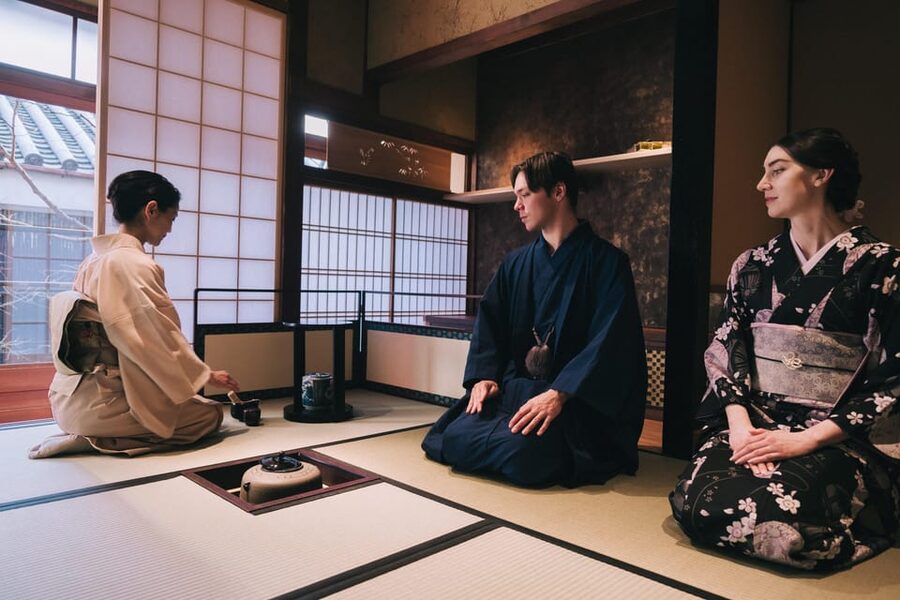
Once dressed, you enter the tea room and watch a demonstration in English. This is the most educational part of the visit. The tea ceremony is built around deliberate actions, and the demonstration gives you a chance to see those actions before you attempt them yourself.
The explanation covers the meaning of the ceremony, including cleansing and blessing the tea. You are not expected to know the etiquette in advance. The tea master talks you through the sequence in a relaxed manner, which makes the ritual easier to appreciate instead of leaving you worried about making a mistake.
I like this format because it gives context without turning a short activity into a lecture. The ceremony has enough structure to feel special, yet the English instruction keeps it accessible. The strongest praise for the experience focuses on the clear explanations, polite staff, and attention to detail during both dressing and tea preparation.
Keep your expectations realistic. This is a 90-minute introduction, not an advanced tea-school lesson. You will learn the main ideas and see a demonstration, but the limited time means the presentation stays concise.
Same backdrop, another way to frame it:
- Osaka: Sumo Stage Show with Bento or Snack + Fight & Photo
★ 4.3 · 364 reviews - Best Go Kart Experience in Shibuya Crossing with Iconic Photos
★ 5.0 · 348 reviews - Tokyo Ryogoku Sumo Morning Practice + Photo Shoot with Wrestlers
★ 4.5 · 277 reviews - Daikoku Car Club Temporary Membership
★ 4.5 · 275 reviews
Preparing Matcha and Eating Japanese Sweets
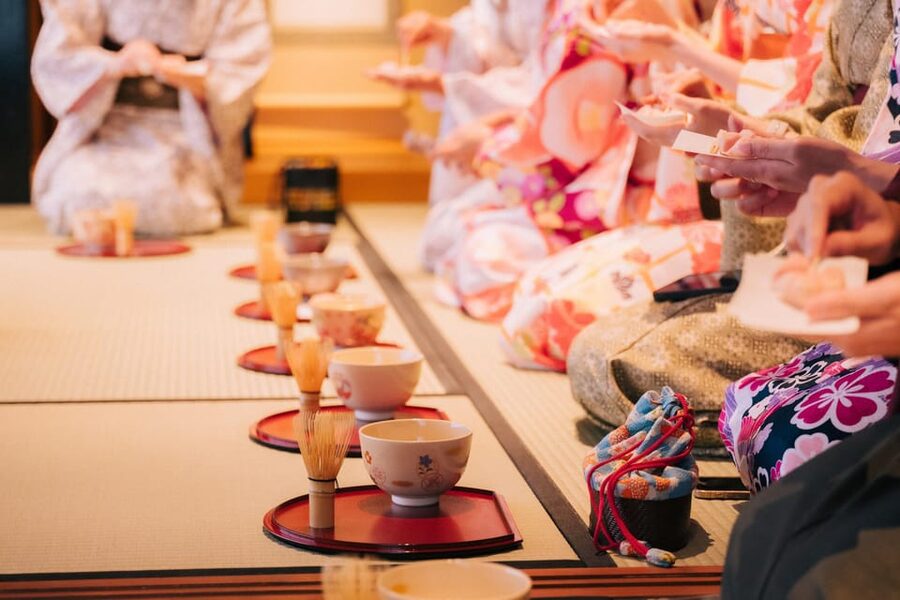
After watching, you make your own matcha green tea. This hands-on step gives you a useful change of pace. You have already seen the tea master demonstrate the process, so you can try it with a clearer sense of what each movement means.
The matcha is served with Japanese sweets. The pairing is part of the ceremony and gives you a small taste of the balance between the tea’s bitterness and the sweetness of the confection. If you have food allergies, tell the provider in advance. The activity includes food, but the available details do not identify every ingredient or promise substitutions.
This part should suit first-time visitors particularly well. You do not need prior knowledge of tea preparation, and the English-speaking instructor can explain the steps as you go. It also gives you something to remember beyond the photographs: you took part in preparing the drink rather than only watching someone else.
The Three-Photo Session
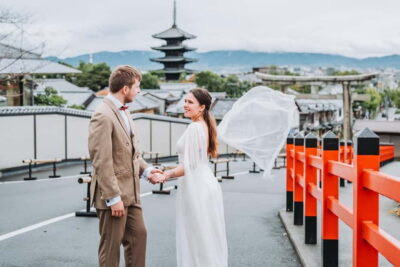
A professional photographer takes three photos during the experience. Those images are included in the price, making the photo session more than an optional add-on if you book this activity as described.
The photos are especially useful if you are traveling alone or if your group wants everyone in the frame. A phone can capture quick snapshots, but a professional session gives you a more deliberate record of the kimono, hairstyle, and tea-room setting. The photographs are sent later by email, with one booking noting that they arrived a couple of hours afterward.
You also have time to take your own pictures. That is a welcome detail because the three professional images are a fixed number, while personal photos let you capture informal moments with friends or family. The activity is not described as a full studio session, so expect a short set of finished images rather than a large gallery.
The clearest praise centers on the picture quality and the smooth work between the dressing staff, tea instructor, and photographer. That teamwork matters. The clothing needs to be arranged properly before the camera comes out, and the ceremony should not feel rushed just to produce a souvenir.
Strolling in Kyoto After the Ceremony
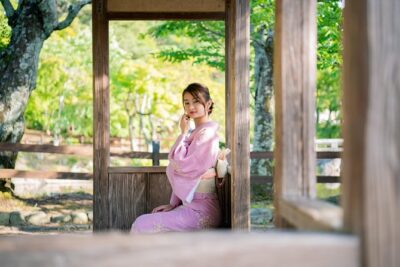
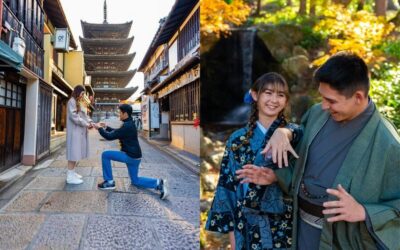
After the tea ceremony and photos, you may walk around outside in the kimono. This turns the activity into more than an indoor appointment. You can carry the look into Kyoto’s streets and take your own pictures in the surrounding area.
The extra time is limited by the return deadline. At the Nishiki Market location, you must return the kimono by 6:00 PM. At the Gion location, the deadline is 5:00 PM. These times are especially important if you book later in the day, since the ceremony itself lasts 90 minutes and the available walking time may be short.
I would treat this as a bonus rather than the main reason to book. The ceremony, matcha preparation, and professional photos are the core experience. The stroll gives you flexibility, but the provider does not promise a guide, a particular route, or entry to nearby sights.
Is $127 a Fair Price?
At $127 per person, this is not the cheapest way to wear a kimono in Kyoto. The value depends on what you want from the outing.
For that price, you receive kimono dressing, an English tea ceremony demonstration, matcha and sweets, hands-on tea preparation, three professional photographs, and the option to walk outside in the outfit. If you were planning to pay separately for a kimono rental, a cultural activity, and professional portraits, the combined package becomes easier to justify.
The price is less attractive if you only want a quick costume rental and casual photos. You are paying for the ceremony instruction and the staff time involved in dressing, guiding, and photographing you. Since the activity cannot be separated into tea ceremony only or kimono dressing only, you should book it only if you want both parts.
The group limit of 10 helps protect the value. You are not signing up for a huge stage show. Still, a small group does not guarantee a private lesson, and the activity can include waiting before the ceremony begins. Build that possibility into your Kyoto schedule.
Who Will Enjoy This Best?
I would recommend this experience to first-time visitors who want a gentle introduction to Japanese customs. It works well for couples, friends, families with children aged five and older, and solo visitors who want professional portraits.
It is also a good choice if you want an activity that does not require a full day. The scheduled experience lasts 90 minutes, with optional walking afterward. You can fit it between sightseeing plans near Nishiki Market or Gion, provided you allow enough time to find the correct shop and return the kimono.
You may want to skip it if you dislike formal clothing, indoor ceremonies, or scheduled group activities. It is also not suitable for wheelchair users, and late arrivals are not admitted. Anyone with food allergies should contact the operator before booking rather than sorting it out at the shop.
Practical Tips for a Smooth Visit
Send the required height and gender details for every participant before the appointment. This helps the shop prepare the kimono sets and avoids a last-minute problem.
Choose the correct location with care. Nishiki Market and Gion are separate options, and arriving at the wrong one means you cannot take part.
Arrive early, even if you expect the appointment to run on time. The 10-minute late limit is strict. At the same time, leave a little space after the start in case there is a short wait before the tea ceremony, as one booking experienced.
Wear clothing that makes changing straightforward, and remember that shoes are not allowed indoors. Tell the provider about food allergies ahead of time.
If you want outdoor photos, book early enough to leave useful time before the kimono return deadline. Nishiki Market gives you until 6:00 PM, while Gion’s deadline is 5:00 PM.
The activity offers free cancellation up to 24 hours before the appointment, and you can reserve now and pay later. Those terms help if your Kyoto schedule is still changing, but they do not protect you from the no-refund rule for arriving more than 10 minutes late.
Should You Book This Kyoto Tea Ceremony?
Book it if you want the full package: traditional clothing, a clear English explanation, matcha preparation, sweets, and three professional photos. The strongest parts are the patient instruction, careful dressing, and the chance to take part instead of watching from the sidelines.
I would choose the location that fits your sightseeing plan, then arrive early and keep the rest of the day flexible. At $127, it is a considered purchase, but it offers more substance than a basic dress-up shop.
Skip it if you only want a kimono rental, need wheelchair access, or cannot commit to the strict arrival and return times. For everyone else, this is a compact and approachable way to add a cultural activity to a Kyoto visit without giving up an entire day.
FAQ
How long does the tea ceremony and kimono experience last?
The scheduled experience lasts 90 minutes. You may also stroll outside in the kimono afterward, provided you return it by the required deadline.
How much does the experience cost?
The price is $127 per person.
Where does the experience take place?
You can choose between a Nishiki Market location and a Gion location. The exact meeting point depends on the option you book.
Is the tea ceremony conducted in English?
Yes. The demonstration and instruction are provided in English.
What is included in the booking?
The booking includes kimono dressing, an English tea ceremony demonstration, matcha green tea, Japanese sweets, and three professional photographs.
Can I book only the kimono dressing or only the tea ceremony?
No. This experience is offered as a combined activity and is not available as tea ceremony only or kimono dressing only.
How many people are in the group?
The activity is limited to 10 participants.
What happens if I arrive late?
If you arrive more than 10 minutes after the starting time, you cannot join the experience and no refund is available.
When must I return the kimono?
At the Nishiki Market location, return it by 6:00 PM. At the Gion location, return it by 5:00 PM on the same day.
Fresh shoots around Japan
- Kamakura Tour with Pro Photographer: Anime Train & Fuji view★ 5.0 · 2 reviews
- Asakusa Kimono/Yukata Rental & Photography_Tsutsuji★ 5.0 · 12 reviews
- Kanazawa: Private Photoshoot with Professional Photographer★ 5.0 · 2 reviews
- Fukuoka: Private Photo Session with a Local Photographer★ 5.0 · 3 reviews
- From Miyakojima: 1Irabu and Kurima Islands Guided Photo Tour★ 5.0 · 2 reviews
- Osaka Dotonbori Night Photoshoot Private | Pro Photographer★ 4.5 · 6 reviews
- ASAKUSA: Kimono Portrait tour by pro photographer★ 5.0 · 2 reviews
- Asakusa Kimono Photography Tour★ 5.0 · 8 reviews
Kyoto Photo Tours & Photoshoots, frame by frame.